tree removal

How Do You Plan a Safe Tree Removal on Your Property?

Do You Need Council Approval Before Tree Removal?

Often, yes. Many tree removal and tree lopping jobs in Sydney/NSW require approval from your local council, especially for protected species, significant trees, or properties in heritage or conservation areas. Rules vary by LGA, so the safest approach is to confirm requirements before booking work.

Approval commonly comes up for large mature trees, street trees, trees near boundaries, land clearing, and sites connected to renovations or development. Non-compliance can trigger stop-work orders, fines, legal action, and serious delays to construction timelines.

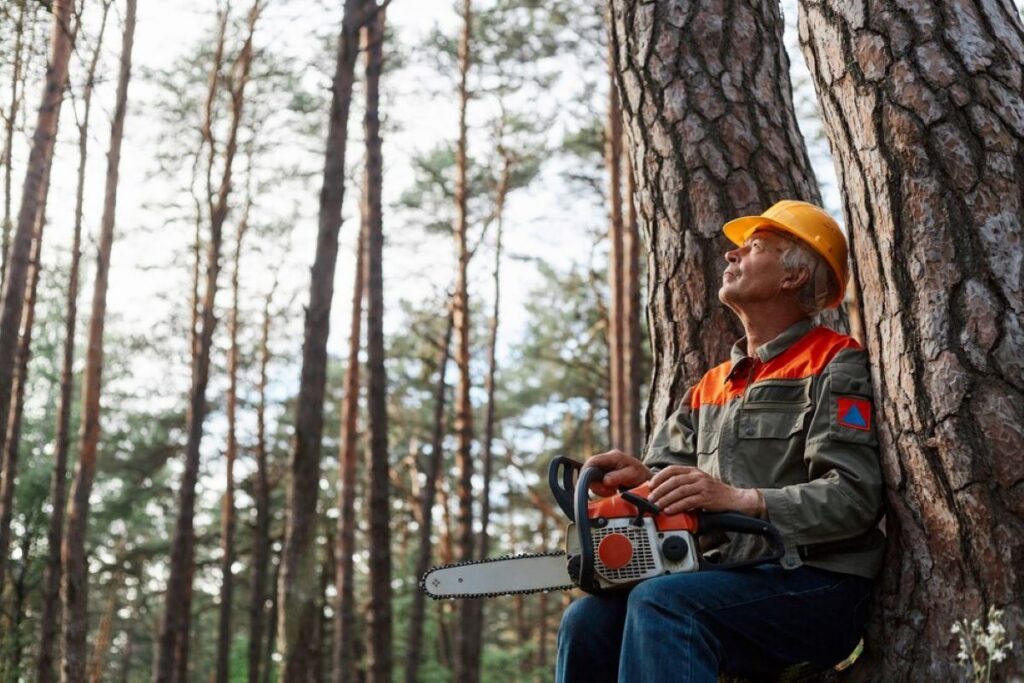
Tree removal usually means taking the tree down completely, including removal to ground level and often dealing with the stump and roots. It is typically chosen when a tree is dead, dangerous, storm-damaged, infected, or in the way of approved works. For more information about the tree removal process and related services, visit https://treesdownunder.com.au/tree-removal/.

Tree lopping is a reduction in height or spread, often used to manage risk, clearance, or long-term structure. Councils regulate both because canopy loss impacts neighbours, habitat, and stormwater, and poor cuts can create long-term decline. The practical takeaway is simple: do not assume “just trimming” is exempt.

How a professional tree removal company can support compliance

A good local operator can help you gather what council typically wants before you lodge anything. That often includes site photos, trunk measurements, notes from an on-site assessment, and a clear method outline explaining how the work will be done safely.

Where required, an arborist report can strengthen an application, particularly if the tree is hazardous or structurally compromised. Many companies also plan the full scope in one go, including removal, stump grinding, green waste removal, and a post-removal inspection with recommendations for the rest of the property.

What Safety Risks Should Be Assessed Before Tree Removal?

Safety planning starts with a risk and health assessment, not a chainsaw. The goal is to identify what could go wrong, who or what could be impacted, and what controls are needed to remove the tree without injury or property damage.

Most hazards fall into a few categories: tree condition, nearby targets (homes, fences, roads), access and terrain, overhead and underground utilities, weather, and exposure to people and pets. Dead, drying, infected, uprooted, or storm-damaged trees are higher-risk and often justify professional removal.

Assessing tree health and structural stability

Arborists look for defects that change how a tree behaves under load. Common red flags include deadwood, internal decay, cracks, fungal growth, cavities, root plate movement, a sudden lean, and heavy canopy imbalance.

Those findings directly shape the plan. A sound tree with a clear fall zone may be felled in one piece, while a decayed or leaning tree near a house may require sectional dismantling with rigging, or even crane assistance. If you are seeing dieback or storm damage, treat it as a planning trigger, not a weekend job.

Surrounding hazards: power lines, buildings, traffic, and bystanders

Overhead power lines are one of the biggest constraints on tree work. Minimum approach distances and special procedures may apply, and in some cases the network operator must be involved. If a tree is near service lines, assume it needs expert handling until proven otherwise.

Also map nearby “targets” such as roofs, gutters, solar panels, windows, fences, pools, sheds, driveways, and parked vehicles. Access matters too: if a chipper, stump grinder, truck, or crane cannot get in safely, the method and cost will change. On busy streets, traffic and pedestrian control may be required.

Environmental and site risks: slope, soil, wind, and escape routes

Slopes and soft or wet soil affect footing, machine stability, and the size and shape of the drop zone. Even a small lean can become a major issue on uneven ground, especially if the root area is compromised.

Weather also changes risk quickly. Wind gusts increase unpredictability during cutting and lowering, while rain reduces traction and visibility. A proper plan includes escape routes, clear communication signals, and a stop-work mindset if conditions shift mid-job. You may like to visit https://www.nsw.gov.au/regional-and-primary-industries/agriculture/soil to learn more about the best agricultural soil.

How Do Arborists Determine the Best Method for Tree Removal?

They match the method to the tree, the site, and the reason for removal. Size, species, health, lean, obstacles, access, and your goal (risk reduction, construction clearance, aesthetics) all feed into the decision.

In most residential settings, it comes down to straight felling where space allows or sectional dismantling when control is needed. Professionals also plan stump handling at the same time because leaving it out often creates a second job, extra mess, and avoidable trip hazards.

Choosing between straight felling and sectional dismantling

Straight felling is usually faster and more cost-effective but only when there is a genuinely safe fall zone. That means enough clear space for the full height and spread plus a margin for unpredictable movement.

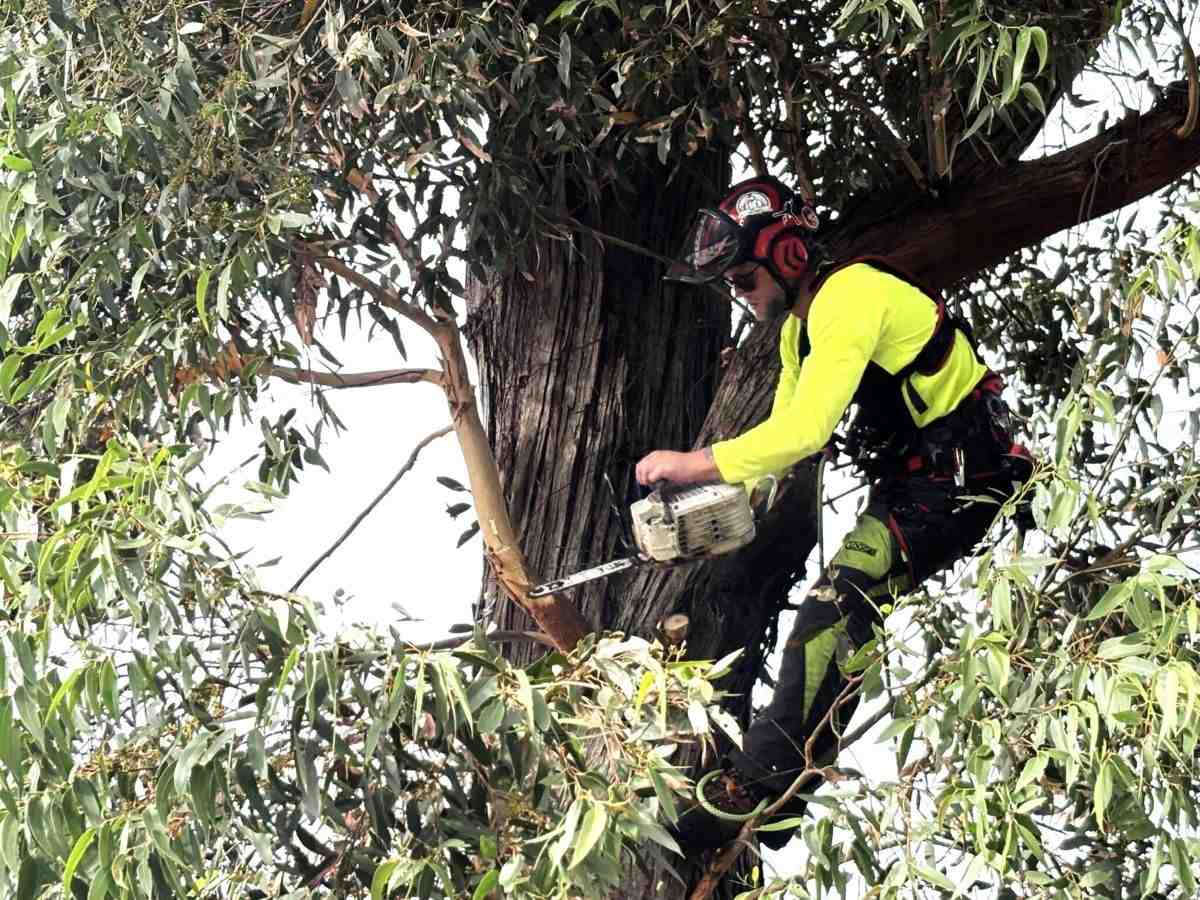
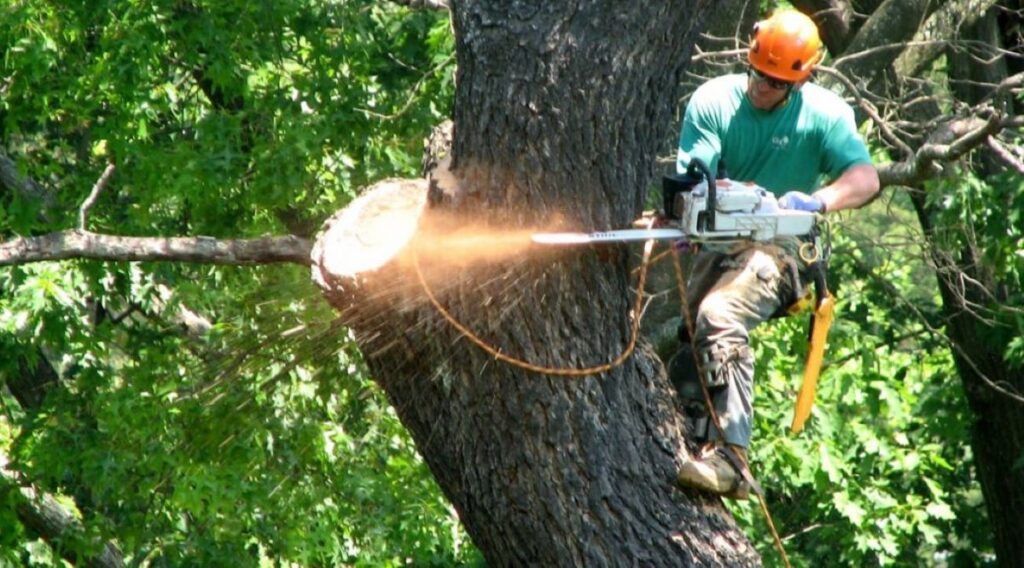
Sectional dismantling removes the tree in controlled pieces. It is commonly used in tight back gardens near fences, pools, neighbouring properties or when defects make the trunk unreliable. The earlier risk assessment drives the call especially when there is decay, heavy lean, or multiple high-value targets nearby.
tree removal

Planning the work sequence: top-to-bottom removal and waste handling

Most removals follow a consistent sequence: reduce the crown and remove limbs first, then cut the trunk into sections, then handle the stump. This reduces weight and movement early, keeping the tree predictable as it comes down.

Waste handling should be agreed upfront. Branches can be chipped for mulch, loaded for removal, or left on-site if you want mulch for garden beds. Logs can be cut to manageable lengths for removal or kept as firewood where suitable. A post-removal inspection is also useful to identify any hanging limbs or nearby trees needing follow-up.

When land clearing or development changes the approach

If the site is being prepared for a build, the approach may expand beyond one tree. Development work can involve vegetation clearing, staged removals, access planning for machinery, and coordination with other trades so the schedule stays intact.

Larger projects may also require additional documentation and compliance steps, including environmental considerations and council conditions around what can be cleared and when. Not every homeowner needs land clearing, but if you are renovating or building, it should be planned as part of the broader site prep, not treated as an afterthought. To understand what typically requires pruning or removal, see this guide on common trees that need tree lopping in Sydney: tree lopping requirements in Sydney.

What Areas Should Be Cleared Before Tree Removal Begins?

Clearing the right areas improves safety, speeds up the job, and reduces accidental damage. You are not expected to do the technical work, but basic site preparation makes it easier for the crew to set up exclusion zones and place equipment correctly.

Think in zones: the drop zone (where timber may land), the work zone (where the climber and ground crew operate), an access path for equipment, and a staging area for branches and logs. If branches could cross a fence line, it is wise to notify neighbours early, especially if access is needed.

Creating a safe exclusion zone (and protecting valuables)

Set a buffer around the tree based on canopy spread and the planned fall direction or rigging line. Then move anything breakable or valuable: outdoor furniture, pots, children’s toys, barbecues, garden ornaments, shade sails, and vehicles.

Protect what cannot be moved. Cover delicate garden beds if advised, mark irrigation lines if you know their location, and consider pool protection if work is overhead. Keep children and pets indoors and treat the yard as a no-go area until the crew confirms it is safe again.

Ensuring access for crew and equipment

Confirm gate widths and any tight side access points for chippers, stump grinders, and trucks. If access is limited, tell the company early, as it may change the equipment choice and the work method.

Check ground conditions as well. Soft lawns, wet soil, or steep driveways may require boards or mats to reduce damage and improve stability. Also plan where waste will be loaded and how it will exit the property, so the crew is not repeatedly tracking debris through the same narrow path.
tree removal

What Happens on the Day of a Professional Tree Removal Service?

A professional job should feel structured and controlled from the moment the crew arrives. You should expect a site briefing, confirmation of scope and approvals, safety setup, controlled removal, waste processing, stump options if included, a full clean-up, and a final walk-through.

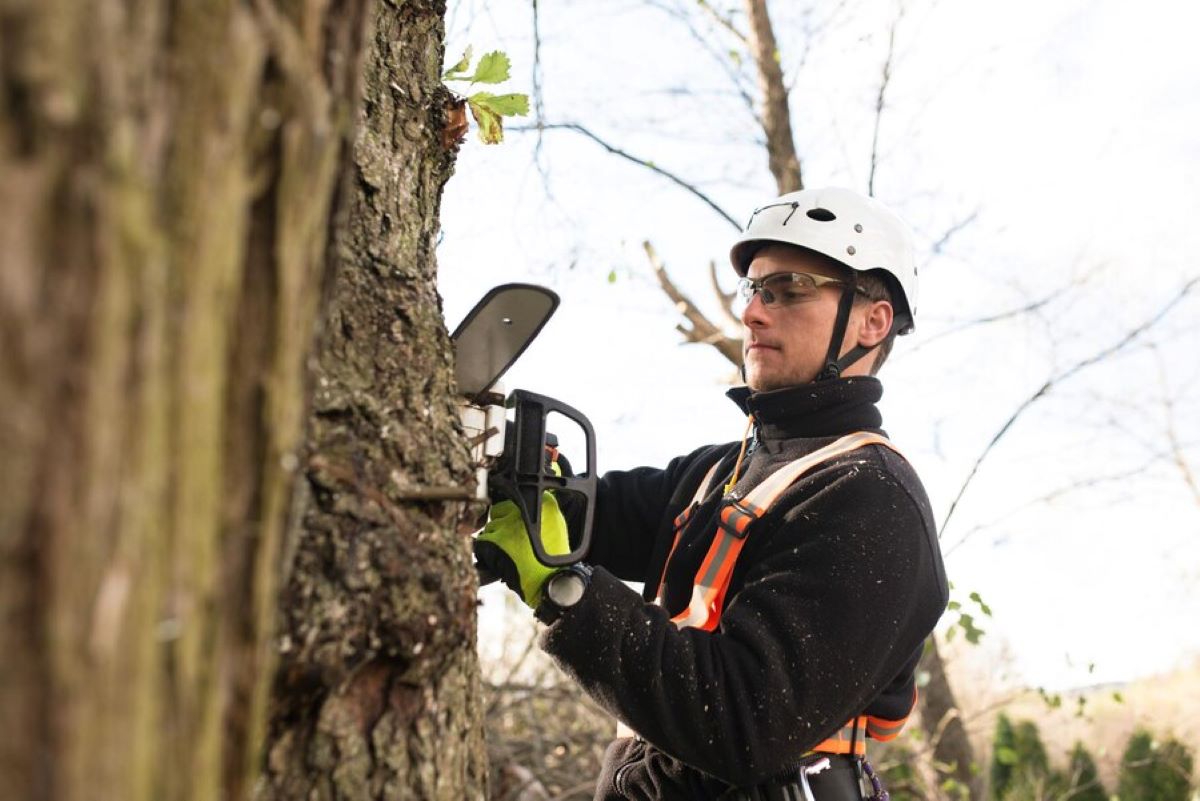
The safety systems matter as much as the cutting. Reputable crews use appropriate PPE, rigging gear, spotters where needed, and a risk management approach. Proper insurance also protects you if something goes wrong and helps avoid messy disputes with neighbours or builders later.

Site briefing, safety setup, and documentation checks

First, the crew confirms the plan: the method, the drop zone, equipment placement, and communication signals. They will also re-check boundaries and any neighbour considerations, especially where branches could swing or be lowered near a fence line.

If council approval applies, they should confirm any conditions before starting. Then safety controls go in, such as cones or tape to create an exclusion zone, tool and equipment checks, and an emergency plan for the site.

The removal process: controlled cuts, rigging, and step-by-step lowering

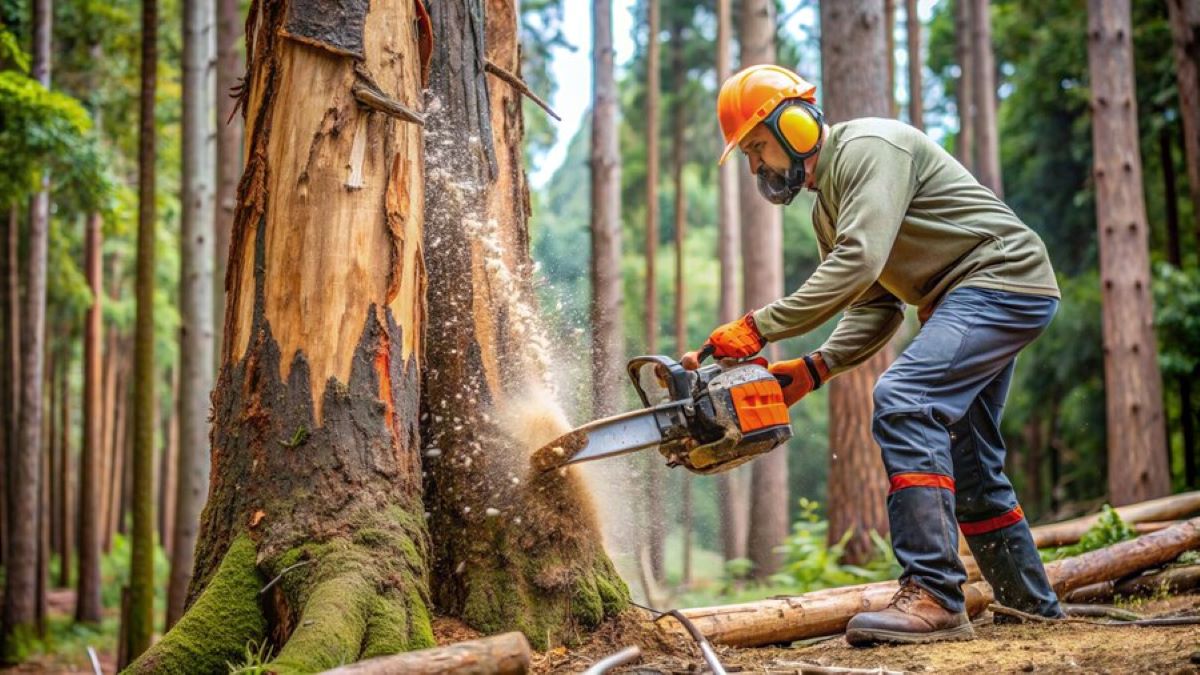
Most removals start with branches to reduce weight and limit movement. In tight spaces, rigging and lowering devices allow sections to be brought down under control, rather than dropped.

Dead or storm-damaged trees often require extra caution because they can behave unpredictably. The cutting sequence may change to prevent the tree splitting, the crown tearing out, or unstable timber breaking under its own weight. A clear drop zone and disciplined communication between climber and ground crew are key.

Stump removal, green waste removal, and cleanup

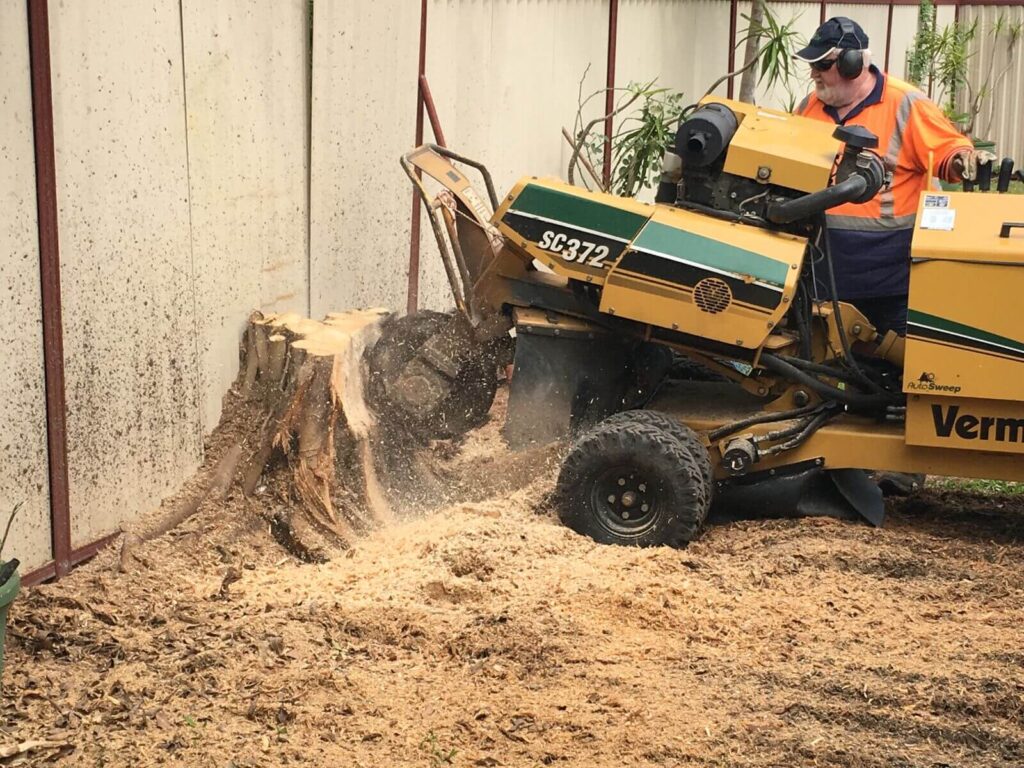
Stump grinding is commonly chosen because it reduces trip hazards, improves appearance, and makes future landscaping or replanting easier. Leaving the stump can be fine in some settings, but it often becomes a long-term nuisance, especially if it reshoots or attracts pests.

Green waste is usually chipped, removed, or left as mulch on request. Clean-up should include raking, blowing, and hauling debris so the site is safe and tidy, not just “mostly cleared”.

Post-removal inspection and next-step tree care recommendations

A final inspection checks for remaining hazards such as hanging limbs, damaged nearby trees, or debris caught in adjacent canopies. You should also get confirmation that the agreed scope is complete, including stump and waste handling if included.

Many companies will offer next steps such as replanting ideas, ongoing pruning, or monitoring other trees for similar defects. If your property is undergoing development, this is also the moment to discuss any follow-on vegetation clearing or site preparation needs, and how to keep compliance on track.

What to look for when hiring ‘tree loppers near me’ (so the plan stays safe)

Start with insurance and credentials. Ask to confirm public liability and workers’ compensation, then check qualifications and local experience, because Sydney/NSW rules and site conditions vary widely.

Request a written quote that states the method, equipment, PPE, stump and waste handling, and clean-up expectations. Also look for environmental responsibility, such as recycling green waste into mulch and minimising site impact. If you are in the Hills District or North Shore, Trees Down Under is one local option that positions itself as safety-first, fully insured, and able to support removal, stump grinding, mulching, vegetation clearing, and compliance documentation for larger projects.
tree lopping service

What Trees Commonly Need Tree Lopping in Sydney?

In simple terms, tree lopping is a size reduction and structural management job. It is more intensive than routine pruning and is usually done to preserve a tree while keeping it safe and compatible with the property. Tree removal, by contrast, is the complete removal from top to roots, typically used when a tree is dead, dangerous, severely infected, uprooted, or irreconcilably conflicts with construction.

The most common reasons Sydney homeowners book tree lopping include:

  • Canopies outgrowing the available space
  • Branches over roofs, gutters, solar panels, driveways, and neighbour’s gardens
  • Conflicts with overhead services and power lines
  • Excessive shading and blocked light
  • Storm-exposed sites where wind load becomes a problem
  • Weak unions, heavy limbs, and poor structure that raise failure risk

One more reality matters: many Sydney councils require permits or approvals for pruning, lopping, or removal on protected trees, and professional providers like Trees Down Under often help clients navigate these requirements. Before you book a tree lopping service, check your local council rules or ask a qualified arborist to guide you.

Hiring professional Sydney tree services is not just about convenience. It improves safety, protects tree health, helps maintain property value, saves time, supports environmental responsibility, and reduces the risk of fines or disputes.

Sydney conditions that make lopping more common

Sydney’s mix of coastal winds, intense summer storms, heavy rain events, and shifting soil moisture can push vigorous growth and expose structural weaknesses. After wet periods, many species surge, then carry extra canopy weight into the next wind event.

Urban constraints amplify the issue. Smaller lots, close neighbours, tight side access, and proximity to buildings, fences, and overhead services often make canopy reduction the practical option. “Right tree, right place” is ideal, but with established plantings, careful management is often the only realistic solution.

Tree lopping vs pruning vs removal (so readers book the right service)

Pruning is selective cutting to improve health, structure, clearance, and longevity. Lopping is a more substantial reduction to manage size and clearances while aiming to preserve the tree. Removal is recommended when the tree is dead, hazardous, structurally compromised, infected beyond recovery, uprooted, or conflicts with approved works.

A good tree lopper in Sydney should recommend the least invasive option first, then justify removal only when risk or health demands it. Many tree removal companies also offer stump grinding, green waste removal, post-work inspections, and practical care tips so the site is safe and manageable afterwards.

Why Do Some Trees in Sydney Require Tree Lopping More Than Others?

They need it more often because they grow faster, spread wider, or develop heavier limbs in places that don’t allow for it. In Sydney suburbs, location and exposure often matter more than the tree’s age or height.

Trees commonly require repeated lopping when they are planted too close to homes, boundary fences, driveways, pools, or powerlines. Others become higher risk in storm corridors or on sites with saturated soils, where wind load and root movement can cause failures.

The key idea is compatibility. When a species naturally wants to be large, broad, and heavy, but the block is compact, lopping becomes a maintenance tool rather than a one-off fix.

Which Fast-Growing Trees Often Need Tree Lopping in Sydney?

Fast growers plus common suburban planting choices usually equal frequent canopy control. The species below are not the only ones, but they are among the most commonly managed in Sydney because they can outgrow tight spaces quickly and create conflicts over roofs, fences, and high-use areas.

Eucalypts (gum trees) near homes, driveways, and fences

Eucalypts are often lopped because they grow quickly, form large limbs, and develop broad canopies that can extend over roofs and neighbouring properties. In wind, that canopy can act like a sail, increasing movement and stress at branch unions.

Typical triggers include gaining clearance from structures, reducing end-weight on long limbs, and managing canopy spread near boundary lines. Over-lopping can stress eucalypts and encourage problematic regrowth, so reduction should preserve sound structure and avoid shocking the tree.

Lilly pilly hedges/trees that become oversized screens

Lilly pilly is popular for screening, but vigorous regrowth means it can become oversized surprisingly fast. Dense foliage can block light, encroach on paths, press into fences, and create ongoing neighbour disputes if it crosses boundaries.

Lopping here is usually about controlled height and width reduction while keeping an even, healthy screen. Done well, thinning for airflow can also reduce pest and fungal pressure, which is common in overly dense canopies.

Fig trees (especially when planted too close to buildings)

Fig trees can be high maintenance because they produce broad canopies and strong growth that quickly conflicts with hardscapes and roofs. Leaf drop and fruit can also add mess and extra gutter load in the wrong location.

Lopping typically focuses on canopy containment and clearance from structures and high-use areas. Root management is a separate issue and may require additional advice. Removal may be considered if structural risk rises or the ongoing conflict cannot be managed responsibly.

Pittosporum and other quick-growing privacy trees

Pittosporum and similar privacy trees often need lopping because they expand quickly, can become top-heavy, and may start leaning when confined between fences and buildings. In small gardens, they can also crowd other plants and reduce usable space.

The main objective is to rebalance the canopy, maintain safe clearance, and reduce weight over driveways, play areas, and paths. Ongoing light maintenance usually produces a safer, healthier result than infrequent heavy cuts.

tree removal service

How Do You Know if a Tree Needs Tree Lopping?

You usually see it first as a space or clearance problem, then as a safety concern. A good homeowner checklist combines visible conflicts, risk signs, and growth patterns over time.

If branches are over roofs, play areas, parking zones, or public paths, don’t DIY. Book professional Sydney tree services, because safe rigging, drop zones, and proper cuts matter as much as the reduction itself. Early assessment also helps decide whether lopping is appropriate or removal is the safer option.

Clearance and conflict signs (the most obvious reasons)

Look for branches touching or overhanging roofs, gutters, solar panels, sheds, fences, or a neighbour’s yard. Also watch for limbs that block driveways, interfere with footpaths, reduce sightlines when reversing, or rub repeatedly against structures or other branches.

If a tree is approaching overhead service lines, treat it as a professional-only job. Powerline clearance has strict rules, and the right approach is to engage qualified arborists and follow the guidance of relevant authorities.

Structural and health red flags that need professional judgement

Cracks at branch unions, long heavy limbs with lots of end-weight, and deadwood in the upper canopy can indicate elevated failure risk. A new or worsening lean, heaving soil at the base, or signs of root disturbance after heavy rain can be particularly serious in Sydney’s storm cycles.

Dieback, drying limbs, and infection indicators may shift the decision from lopping to removal. It helps to photograph changes over time so tree loppers in Sydney can compare what is worsening and how quickly.

When lopping is the wrong solution

If a tree is dead or dying, severely infected, uprooted, or structurally compromised, lopping can leave you with a bigger hazard. Removal is often the responsible option when the underlying issue is instability or irreversible decline.

Repeated heavy lopping can also create weak regrowth that fails later, especially in exposed sites. Reputable providers will explain whether selective pruning, a staged reduction plan, or removal plus replanting is the best long-term outcome.

Can Tree Lopping Help Prevent Storm Damage in Sydney?

It can reduce risk, but it cannot storm-proof a tree. In Sydney, heavy rain, gusty winds, and saturated soils can turn small defects into major failures, so reducing canopy load and removing deadwood often makes a real difference. For a clearer understanding of timing, safety steps, and site assessment, see this guide on planning a safe tree removal on your property: How to Plan Safe Tree Removal on Your Property.

Risk reduction works by lowering wind resistance, removing brittle material, and rebalancing weight distribution. The best results come from ongoing care rather than a last-minute heavy cut before a forecast event.

What storm-prep lopping typically targets

Most storm-prep jobs prioritise dead or detached limbs, including hazardous “widowmakers”. They also focus on over-extended branches above roofs, cars, pergolas, and high-traffic zones such as driveways and paths.

Canopy balance matters too. If one side is heavier, wind can increase torsion and stress at unions. After the work, green waste removal and a quick re-check of the site help ensure the area is safe and usable.

Why timing and technique matter

Heavy cuts right before storm season can stress some species and trigger weak regrowth. Planning ahead with an arborist-led schedule is usually safer for both the tree and the property.

Poor lopping techniques can create larger future hazards, not fewer. Professional Sydney tree lopping should include a risk management approach: identifying targets, setting drop zones, planning rigging, and controlling access so people and property stay protected.

tree lopping service

Should an Arborist Inspect a Tree Before Tree Lopping?

Yes, because inspection ensures the right scope, improves safety, and helps you comply with Sydney rules. A proper assessment also prevents wasted money on the wrong solution, such as reducing a tree that actually needs removal.

An inspection typically covers tree health, structural faults, likelihood of failure, nearby targets like homes and neighbour fences, and the best method: prune, lop, or remove. It also helps identify whether council approval is required before work begins.

What a professional inspection and quote should include

A strong quote should clearly state what will be reduced or removed, why it is being done, and what outcome to expect in terms of clearance, shape, and risk reduction. It should also outline the safety plan, including access method, equipment, PPE, drop zones, and any traffic or pedestrian management.

You should also see proof of insurance, including public liability and workers’ compensation, plus other relevant coverage. Confirm what is included, such as green waste removal, stump grinding if required, and post-work inspection notes or care recommendations.

Choosing a local Sydney team (example: Hills District/North Shore needs)

Local knowledge helps because council rules vary and access challenges differ across suburbs. A team familiar with your area is often quicker at navigating approvals and planning safe work on tight blocks with close neighbours.

If you need broader capability for property or development work, look for services such as tree removal, stump grinding, vegetation clearing, mulching, site preparation and grading, environmental assessments, and regulatory compliance. For example, Trees Down Under supports Hills District and North Shore clients and prioritises safety with strong insurance coverage and a clear risk management plan.

Tree Removal Services

Affordable Tree Removal Services in Parramatta: What You Should Know

Tree removal can be a daunting task, especially when it involves larger trees or those situated close to buildings and power lines. In Parramatta, a suburb of Sydney, the need for professional tree removal services is on the rise. This article aims to provide essential information regarding affordable tree removal services in the area, helping residents make informed decisions.

Understanding the Importance of Tree Removal

Tree removal is not merely about cutting down a tree; it involves a range of considerations that can impact the safety and aesthetics of a property. Trees can become hazardous due to disease, damage, or age, posing risks to nearby structures and people. Moreover, the decision to remove a tree can also be influenced by the overall landscape design and the need for space for new developments, making it a multifaceted issue that requires careful deliberation.

Health and Safety Risks

One of the primary reasons for tree removal is the potential health and safety risks associated with dying or damaged trees. A tree that is leaning or has significant decay can fall unexpectedly, leading to property damage or personal injury. Regular assessments by professionals can help identify trees that may pose a risk. Additionally, trees that are infested with pests or diseases can spread these issues to healthy trees nearby, further complicating the landscape and potentially leading to widespread damage. Therefore, proactive management of tree health is essential in maintaining a safe environment.

Environmental Considerations

While trees provide numerous environmental benefits, such as shade and improved air quality, there are instances when their removal is necessary. For instance, invasive species can disrupt local ecosystems, and dead trees can attract pests. Professional tree removal services can assess the situation and recommend the best course of action. Furthermore, the removal of certain trees can sometimes lead to a healthier ecosystem overall; for example, clearing out overcrowded areas allows for better sunlight penetration and nutrient distribution, promoting the growth of more beneficial native species. This thoughtful approach to tree management not only enhances the immediate environment but also contributes to the long-term health of the local ecosystem.

Factors Affecting Tree Removal Costs

The cost of tree removal can vary significantly based on several factors. Understanding these can help residents budget accordingly and avoid unexpected expenses.

Tree Size and Type

Generally, larger trees require more resources and time to remove, which can increase costs. Additionally, certain species may be more challenging to remove due to their growth patterns or root systems. For example, eucalyptus trees, common in Australia, have extensive root systems that can complicate removal.

Location of the Tree

The location of the tree plays a crucial role in determining the cost of removal. Trees situated near power lines, buildings, or other structures may require special equipment and techniques, leading to higher prices. Accessibility is also a factor; if a tree is in a hard-to-reach area, it may necessitate additional labour and equipment.

Additional Services

Many tree removal companies offer additional services, such as stump grinding, wood chipping, and site cleanup. While these services can enhance the overall appearance of the property, they will also add to the total cost. It is wise to discuss these options upfront to understand the full financial implications.

Choosing the Right Tree Removal Service

When selecting a tree removal service in Parramatta, it is essential to consider several factors to ensure a smooth and safe process. Not all tree removal companies are created equal, and making an informed choice can save time, money, and potential headaches. Click here to get more about ensuring the health of your trees.

Licensing and Insurance

Before hiring a tree removal service, it is crucial to verify that they are fully licensed and insured. A reputable company will have the necessary certifications to operate legally and will carry insurance to protect against any accidents or damages that may occur during the removal process. This not only safeguards the company but also provides peace of mind for the homeowner.

Experience and Expertise

Experience matters in tree removal. Companies with a proven track record are likely to have encountered various challenges and can handle them effectively. It is advisable to ask for references or read reviews from previous clients to gauge the quality of their work. Additionally, inquire about the qualifications of their staff to ensure they are trained in safe and efficient tree removal practices.

tree removal

Transparent Pricing

Affordable tree removal services should provide clear and transparent pricing. A reputable company will offer a detailed quote that outlines all costs associated with the removal process. Be wary of companies that provide vague estimates or try to upsell unnecessary services. It is wise to obtain multiple quotes to compare prices and services offered.

Preparing for Tree Removal

Once a tree removal service has been selected, there are several steps homeowners can take to prepare for the process. Proper preparation can facilitate a smoother operation and minimise disruption.

Clearing the Area

Before the tree removal team arrives, it is advisable to clear the area around the tree. This includes moving any furniture, vehicles, or decorations that may be in the way. A clear workspace allows the professionals to operate efficiently and reduces the risk of accidental damage.

Communicating with Neighbours

Tree removal can be noisy and disruptive. It is courteous to inform neighbours about the scheduled removal, especially if the tree is close to property lines. This communication can help manage expectations and foster good relations within the community.

Understanding the Process

Having a basic understanding of the tree removal process can help homeowners feel more comfortable. Typically, the removal will start with the assessment of the tree, followed by the cutting down of the tree in sections, and finally, the removal of the stump and debris. Asking the tree removal service to explain their procedure can provide additional reassurance. You may like to visit https://pp.planningportal.nsw.gov.au/development-and-assessment/planning-approval-pathways/complying-development/tree-removal-and-protection to get more about tree removal and protection.

Post-Removal Considerations

After a tree has been removed, there are several considerations that homeowners should keep in mind. These can affect the long-term health of the property and surrounding landscape.

Stump Removal Options

Once a tree is cut down, the stump remains, which can be unsightly and a potential hazard. Homeowners have several options for dealing with the stump. Stump grinding is a popular method that involves grinding the stump down to below ground level, allowing for replanting or landscaping. Alternatively, some may choose to leave the stump as a natural feature, although this can attract pests.

Landscaping and Replanting

After tree removal, the landscape may require some attention. Homeowners may wish to consider replanting a new tree or enhancing the garden with new plants. Consulting with a landscape professional can provide insights into suitable species that will thrive in the area.

Regular Maintenance

Following the removal of a tree, it is essential to maintain the surrounding area. Regular checks on remaining trees and plants can help identify any potential issues before they escalate. Engaging a tree care service for ongoing maintenance can ensure the health and safety of the property.

tree removal

Conclusion

Affordable tree removal services in Parramatta are essential for maintaining the safety and aesthetics of residential properties. Understanding the importance of tree removal, the factors affecting costs, and how to choose the right service can empower homeowners to make informed decisions. Proper preparation and post-removal considerations will further enhance the overall experience, ensuring that the landscape remains healthy and beautiful for years to come.

By taking the time to educate themselves about tree removal, residents can ensure that they make the best choices for their properties while also supporting local businesses that provide these valuable services.