japanese tattoos

Best Japanese Tattoo Artist Sydney: How Traditional Design, Movement, and Personal Meaning Connect

For anyone comparing studios, the quickest shortcut is this: the best Japanese tattoo artist Sydney collectors recommend will respect the fundamentals, then adapt them to the wearer’s body and story.

What actually makes the best Japanese tattoo artist Sydney artists stand out?

They stand out by treating Japanese tattooing as a complete design system, not a set of trendy images. That means solid drawing skills, respect for composition, and an understanding of how backgrounds, flow, and subject matter work together.

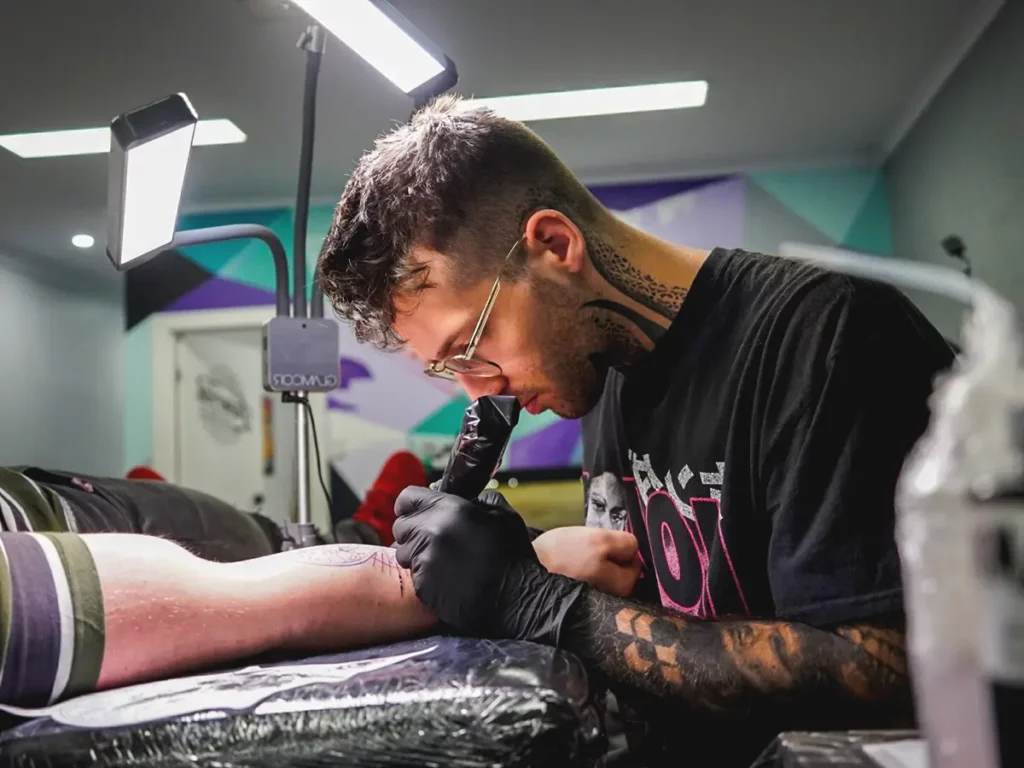
The best Japanese tattoo artist Sydney options will usually show large-scale work, consistent line quality, confident shading, and deliberate placement. Their portfolios tend to include sleeves, backpieces, and bodysuits, because the style is built for scale and cohesion. Read more about different Japanese tattoo styles and artists.

How does traditional Japanese design keep a tattoo from looking random?

Traditional Japanese tattooing relies on hierarchy and structure, so every element has a role. Main subjects sit clearly in the design, supporting motifs enhance them, and background ties everything into one readable scene.

When someone consults the best Japanese tattoo artist Sydney studios offer, they should expect questions about placement, coverage, and future plans. That is because a well-planned Japanese tattoo often anticipates expansion, so the piece can grow without losing balance.

Why does movement matter so much in Japanese tattoos?

Movement is the difference between a design that looks good in a photo and a design that looks alive on the body. Japanese composition is meant to follow muscle groups, wrap around limbs, and change with posture.

A best Japanese tattoo artist Sydney clients return to will typically map flow lines first, then build the subject to match the body’s natural direction. This is why dragons coil, koi climb, and wind bars sweep, rather than sitting flat like stickers.

What role do background elements like wind, water, and clouds play?

Background is not filler in Japanese tattooing. It controls rhythm, depth, and contrast, and it makes separate motifs feel like one world.

The best Japanese tattoo artist Sydney collectors seek will use background to guide the eye through the design and to frame key areas like the face of a dragon or the head of a hannya. Without that framework, even strong subjects can look isolated.

How do personal meaning and tradition connect without breaking the rules?

They connect through symbolism, not through cramming in unrelated ideas. Japanese motifs already carry layered meaning, so the job is often selecting the right symbol, then tailoring details to the wearer’s life.

With the best Japanese tattoo artist Sydney tattooers, personalisation might show up in the seasonality of flowers, the temperament of an animal, or the mood of the background. The result can feel deeply personal while still reading as authentic Japanese work.

Which motifs are most often used, and what do they usually represent?

Many classic motifs are popular because they are visually powerful and symbol-rich. Koi often suggests perseverance, dragons can represent protection or wisdom, and tigers are linked with courage and strength.

A consultation with the best Japanese tattoo artist Sydney locals recommend should include a plain-English explanation of options and trade-offs. The goal is not to “pick a meaning from a list”, but to choose a motif that fits the wearer and the placement. Check out more about Tattoo Artists Sydney and how personalised designs turn body art into a lasting keepsake.

What should someone look for in a portfolio before booking?

They should look for consistency across multiple large pieces, not one standout post. Clean linework, readable composition at distance, smooth shading, and strong black saturation are all signs of control.

The best Japanese tattoo artist Sydney prospects will also show healed work, because Japanese tattoos rely on lasting contrast. If a portfolio hides healed photos, it can be harder to judge longevity and finish.

How do placement and body shape change the design?

Placement changes everything, because Japanese tattooing is designed to wrap. A sleeve is not just an arm picture, and a backpiece is not just a centred image; both are built to move with joints and muscles.

That is why the best Japanese tattoo artist Sydney clients choose will often recommend adjusting scale, direction, or cropping to suit anatomy. A “perfect” reference image might be wrong for the body, even if it is beautiful on paper.

japanese tattoos

What is the difference between irezumi, tebori, and modern machine work?

“Irezumi” is often used as a broad term for Japanese tattooing, while “tebori” refers to traditional hand-poked technique. Many contemporary Japanese-style tattoos are done by machine, often because it suits modern schedules and healing preferences.

The best Japanese tattoo artist Sydney enthusiasts look for will be transparent about technique and outcomes. What matters most is mastery of design, application, and long-term readability, whichever tools are used.

How can someone prepare for a consultation to get a better result?

They should arrive with a clear idea of placement, approximate size, and what the tattoo needs to express. Reference images help, but the best references show composition and mood, not just isolated subjects.

When meeting the best Japanese tattoo artist Sydney has available, it helps to discuss lifestyle, pain tolerance, and whether the tattoo might expand later. Good preparation leads to better planning, and planning is everything in Japanese work.

Other Resources : 23 Best Australia tattoo ideas

How should someone decide if they have found the right artist?

They should feel the artist is guiding the process, not selling a product. The right tattooer will explain decisions, push back when something will not work, and prioritise flow and longevity over quick trends.

Ultimately, the best Japanese tattoo artist Sydney clients trust will treat the tattoo as a collaboration grounded in tradition. When traditional design, movement, and personal meaning align, the result is not just a Japanese-style tattoo, but a piece that looks like it belongs on the body for life.
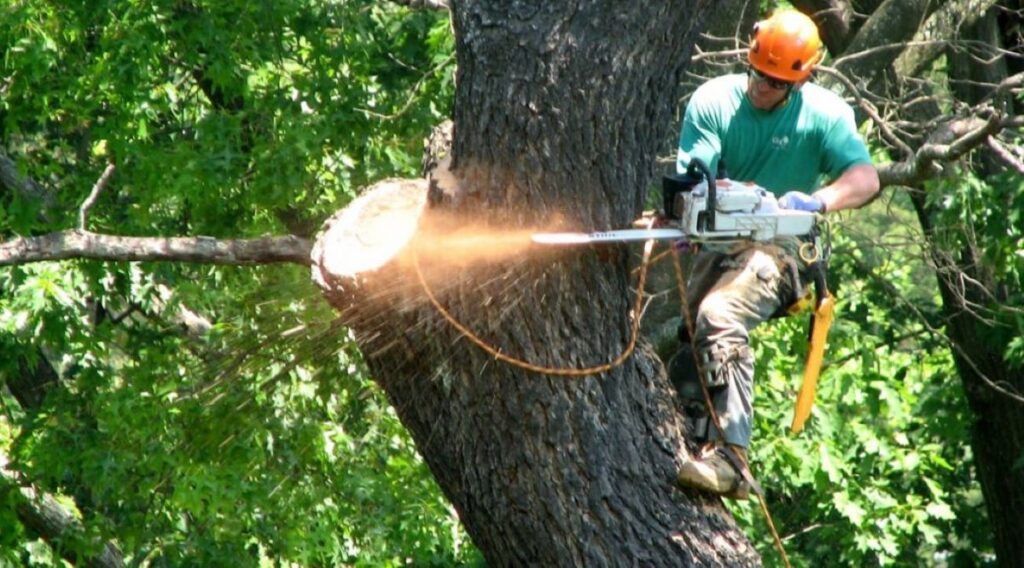
tree removal

How Do You Plan a Safe Tree Removal on Your Property?

Do You Need Council Approval Before Tree Removal?

Often, yes. Many tree removal and tree lopping jobs in Sydney/NSW require approval from your local council, especially for protected species, significant trees, or properties in heritage or conservation areas. Rules vary by LGA, so the safest approach is to confirm requirements before booking work.

Approval commonly comes up for large mature trees, street trees, trees near boundaries, land clearing, and sites connected to renovations or development. Non-compliance can trigger stop-work orders, fines, legal action, and serious delays to construction timelines.

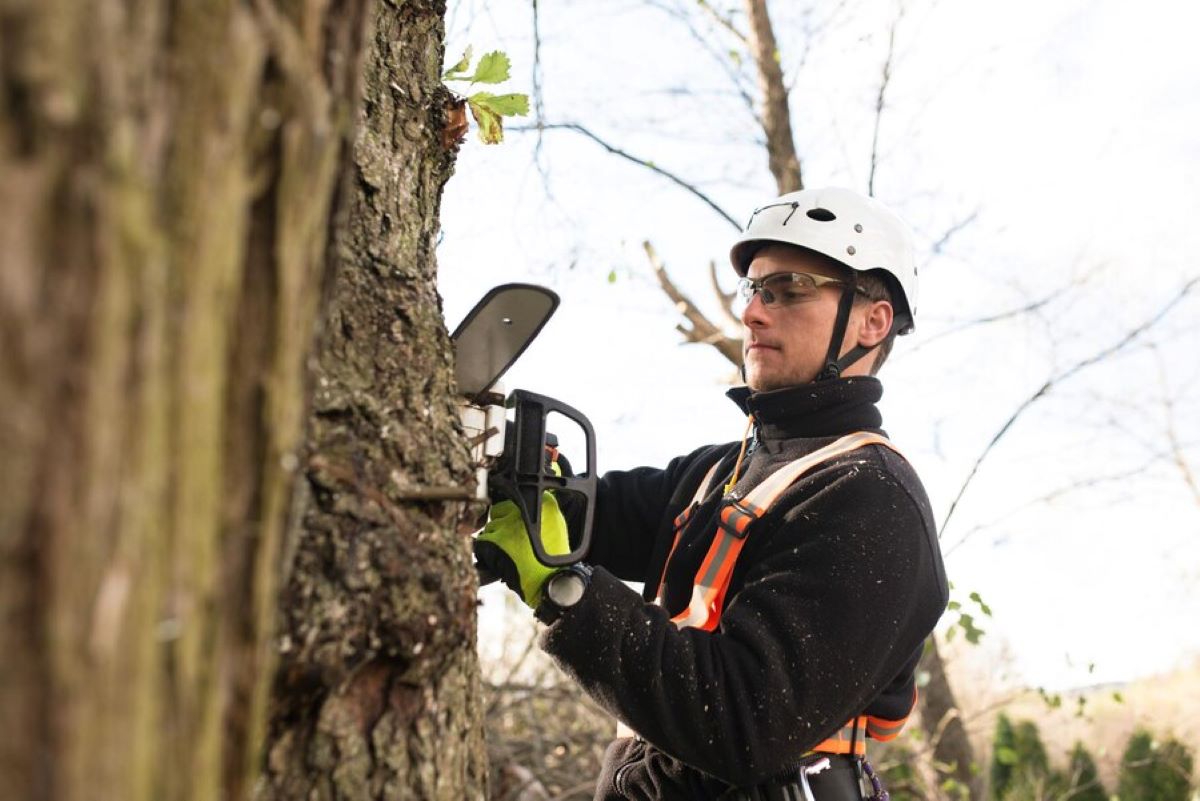
Tree removal usually means taking the tree down completely, including removal to ground level and often dealing with the stump and roots. It is typically chosen when a tree is dead, dangerous, storm-damaged, infected, or in the way of approved works. For more information about the tree removal process and related services, visit https://treesdownunder.com.au/tree-removal/.

Tree lopping is a reduction in height or spread, often used to manage risk, clearance, or long-term structure. Councils regulate both because canopy loss impacts neighbours, habitat, and stormwater, and poor cuts can create long-term decline. The practical takeaway is simple: do not assume “just trimming” is exempt.

How a professional tree removal company can support compliance

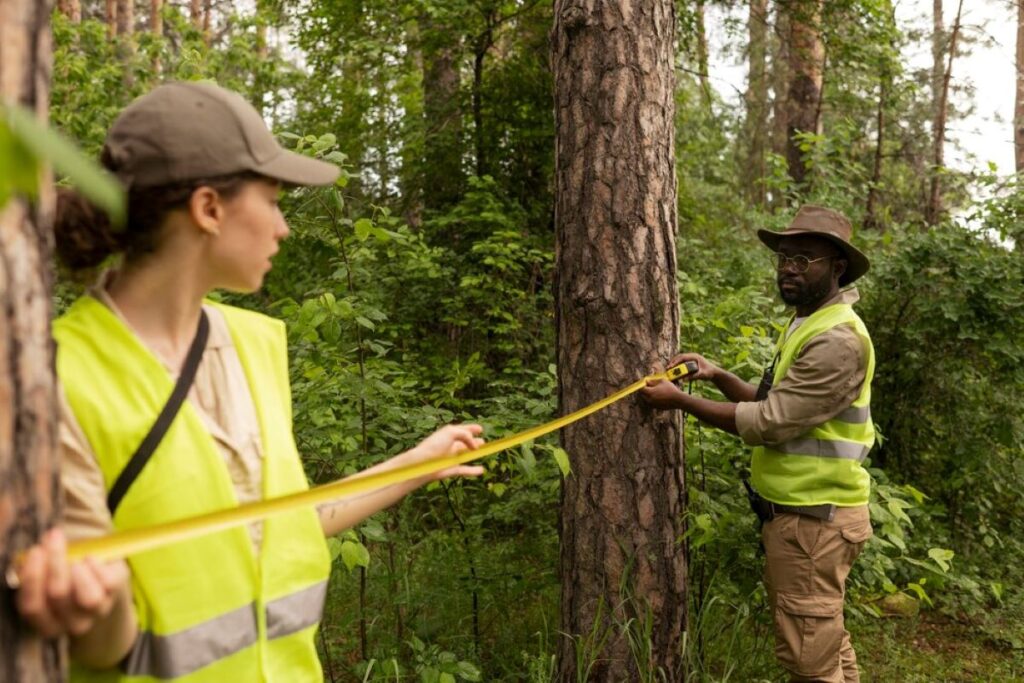
A good local operator can help you gather what council typically wants before you lodge anything. That often includes site photos, trunk measurements, notes from an on-site assessment, and a clear method outline explaining how the work will be done safely.

Where required, an arborist report can strengthen an application, particularly if the tree is hazardous or structurally compromised. Many companies also plan the full scope in one go, including removal, stump grinding, green waste removal, and a post-removal inspection with recommendations for the rest of the property.

What Safety Risks Should Be Assessed Before Tree Removal?

Safety planning starts with a risk and health assessment, not a chainsaw. The goal is to identify what could go wrong, who or what could be impacted, and what controls are needed to remove the tree without injury or property damage.

Most hazards fall into a few categories: tree condition, nearby targets (homes, fences, roads), access and terrain, overhead and underground utilities, weather, and exposure to people and pets. Dead, drying, infected, uprooted, or storm-damaged trees are higher-risk and often justify professional removal.

Assessing tree health and structural stability

Arborists look for defects that change how a tree behaves under load. Common red flags include deadwood, internal decay, cracks, fungal growth, cavities, root plate movement, a sudden lean, and heavy canopy imbalance.

Those findings directly shape the plan. A sound tree with a clear fall zone may be felled in one piece, while a decayed or leaning tree near a house may require sectional dismantling with rigging, or even crane assistance. If you are seeing dieback or storm damage, treat it as a planning trigger, not a weekend job.

Surrounding hazards: power lines, buildings, traffic, and bystanders

Overhead power lines are one of the biggest constraints on tree work. Minimum approach distances and special procedures may apply, and in some cases the network operator must be involved. If a tree is near service lines, assume it needs expert handling until proven otherwise.

Also map nearby “targets” such as roofs, gutters, solar panels, windows, fences, pools, sheds, driveways, and parked vehicles. Access matters too: if a chipper, stump grinder, truck, or crane cannot get in safely, the method and cost will change. On busy streets, traffic and pedestrian control may be required.

Environmental and site risks: slope, soil, wind, and escape routes

Slopes and soft or wet soil affect footing, machine stability, and the size and shape of the drop zone. Even a small lean can become a major issue on uneven ground, especially if the root area is compromised.

Weather also changes risk quickly. Wind gusts increase unpredictability during cutting and lowering, while rain reduces traction and visibility. A proper plan includes escape routes, clear communication signals, and a stop-work mindset if conditions shift mid-job. You may like to visit https://www.nsw.gov.au/regional-and-primary-industries/agriculture/soil to learn more about the best agricultural soil.

How Do Arborists Determine the Best Method for Tree Removal?

They match the method to the tree, the site, and the reason for removal. Size, species, health, lean, obstacles, access, and your goal (risk reduction, construction clearance, aesthetics) all feed into the decision.

In most residential settings, it comes down to straight felling where space allows or sectional dismantling when control is needed. Professionals also plan stump handling at the same time because leaving it out often creates a second job, extra mess, and avoidable trip hazards.

Choosing between straight felling and sectional dismantling

Straight felling is usually faster and more cost-effective but only when there is a genuinely safe fall zone. That means enough clear space for the full height and spread plus a margin for unpredictable movement.

Sectional dismantling removes the tree in controlled pieces. It is commonly used in tight back gardens near fences, pools, neighbouring properties or when defects make the trunk unreliable. The earlier risk assessment drives the call especially when there is decay, heavy lean, or multiple high-value targets nearby.

tree removal

Planning the work sequence: top-to-bottom removal and waste handling

Most removals follow a consistent sequence: reduce the crown and remove limbs first, then cut the trunk into sections, then handle the stump. This reduces weight and movement early, keeping the tree predictable as it comes down.

Waste handling should be agreed upfront. Branches can be chipped for mulch, loaded for removal, or left on-site if you want mulch for garden beds. Logs can be cut to manageable lengths for removal or kept as firewood where suitable. A post-removal inspection is also useful to identify any hanging limbs or nearby trees needing follow-up.

When land clearing or development changes the approach

If the site is being prepared for a build, the approach may expand beyond one tree. Development work can involve vegetation clearing, staged removals, access planning for machinery, and coordination with other trades so the schedule stays intact.

Larger projects may also require additional documentation and compliance steps, including environmental considerations and council conditions around what can be cleared and when. Not every homeowner needs land clearing, but if you are renovating or building, it should be planned as part of the broader site prep, not treated as an afterthought. To understand what typically requires pruning or removal, see this guide on common trees that need tree lopping in Sydney: tree lopping requirements in Sydney.

What Areas Should Be Cleared Before Tree Removal Begins?

Clearing the right areas improves safety, speeds up the job, and reduces accidental damage. You are not expected to do the technical work, but basic site preparation makes it easier for the crew to set up exclusion zones and place equipment correctly.

Think in zones: the drop zone (where timber may land), the work zone (where the climber and ground crew operate), an access path for equipment, and a staging area for branches and logs. If branches could cross a fence line, it is wise to notify neighbours early, especially if access is needed.

Creating a safe exclusion zone (and protecting valuables)

Set a buffer around the tree based on canopy spread and the planned fall direction or rigging line. Then move anything breakable or valuable: outdoor furniture, pots, children’s toys, barbecues, garden ornaments, shade sails, and vehicles.

Protect what cannot be moved. Cover delicate garden beds if advised, mark irrigation lines if you know their location, and consider pool protection if work is overhead. Keep children and pets indoors and treat the yard as a no-go area until the crew confirms it is safe again.

Ensuring access for crew and equipment

Confirm gate widths and any tight side access points for chippers, stump grinders, and trucks. If access is limited, tell the company early, as it may change the equipment choice and the work method.

Check ground conditions as well. Soft lawns, wet soil, or steep driveways may require boards or mats to reduce damage and improve stability. Also plan where waste will be loaded and how it will exit the property, so the crew is not repeatedly tracking debris through the same narrow path.

tree removal

What Happens on the Day of a Professional Tree Removal Service?

A professional job should feel structured and controlled from the moment the crew arrives. You should expect a site briefing, confirmation of scope and approvals, safety setup, controlled removal, waste processing, stump options if included, a full clean-up, and a final walk-through.

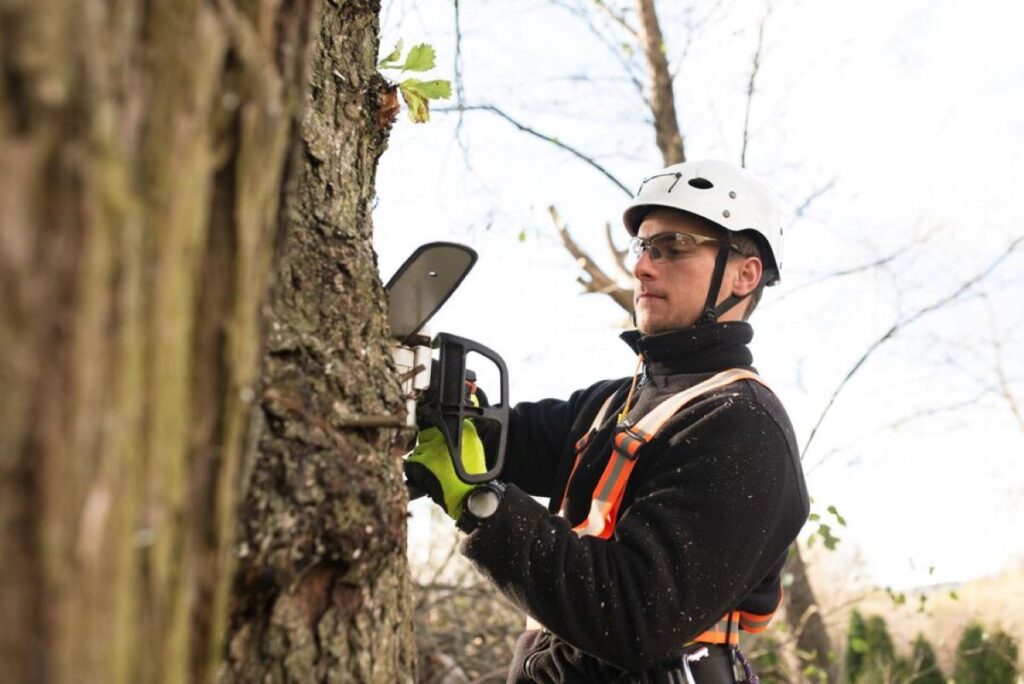
The safety systems matter as much as the cutting. Reputable crews use appropriate PPE, rigging gear, spotters where needed, and a risk management approach. Proper insurance also protects you if something goes wrong and helps avoid messy disputes with neighbours or builders later.

Site briefing, safety setup, and documentation checks

First, the crew confirms the plan: the method, the drop zone, equipment placement, and communication signals. They will also re-check boundaries and any neighbour considerations, especially where branches could swing or be lowered near a fence line.

If council approval applies, they should confirm any conditions before starting. Then safety controls go in, such as cones or tape to create an exclusion zone, tool and equipment checks, and an emergency plan for the site.

The removal process: controlled cuts, rigging, and step-by-step lowering

Most removals start with branches to reduce weight and limit movement. In tight spaces, rigging and lowering devices allow sections to be brought down under control, rather than dropped.

Dead or storm-damaged trees often require extra caution because they can behave unpredictably. The cutting sequence may change to prevent the tree splitting, the crown tearing out, or unstable timber breaking under its own weight. A clear drop zone and disciplined communication between climber and ground crew are key.

Stump removal, green waste removal, and cleanup

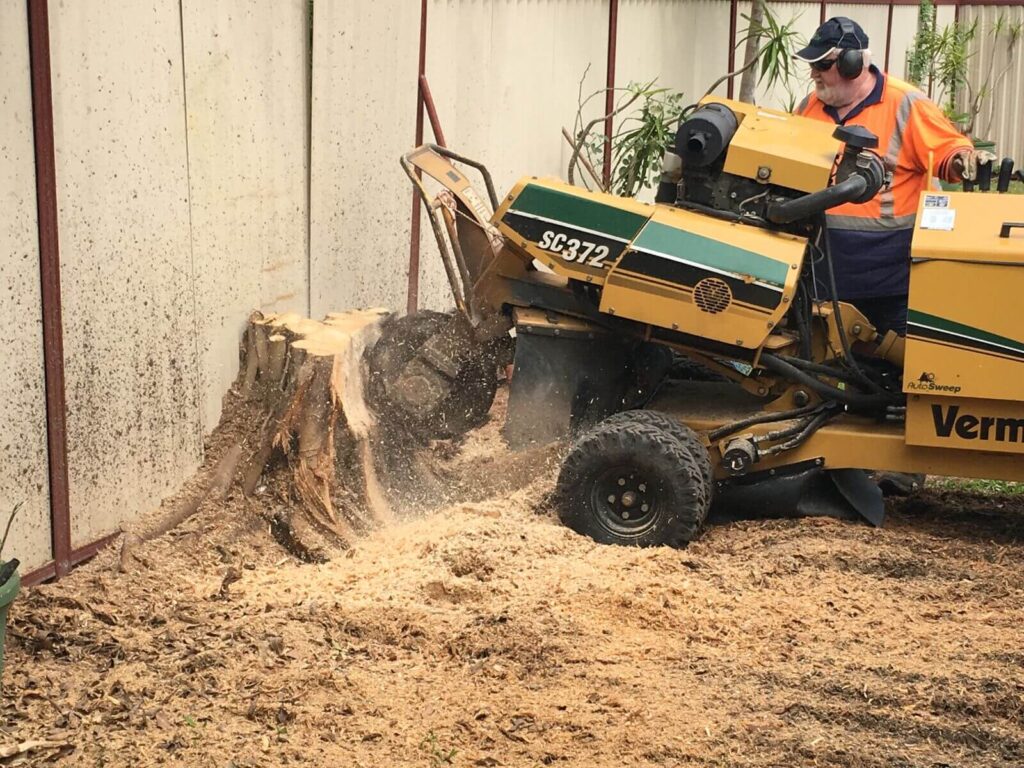
Stump grinding is commonly chosen because it reduces trip hazards, improves appearance, and makes future landscaping or replanting easier. Leaving the stump can be fine in some settings, but it often becomes a long-term nuisance, especially if it reshoots or attracts pests.

Green waste is usually chipped, removed, or left as mulch on request. Clean-up should include raking, blowing, and hauling debris so the site is safe and tidy, not just “mostly cleared”.

Post-removal inspection and next-step tree care recommendations

A final inspection checks for remaining hazards such as hanging limbs, damaged nearby trees, or debris caught in adjacent canopies. You should also get confirmation that the agreed scope is complete, including stump and waste handling if included.

Many companies will offer next steps such as replanting ideas, ongoing pruning, or monitoring other trees for similar defects. If your property is undergoing development, this is also the moment to discuss any follow-on vegetation clearing or site preparation needs, and how to keep compliance on track.

What to look for when hiring ‘tree loppers near me’ (so the plan stays safe)

Start with insurance and credentials. Ask to confirm public liability and workers’ compensation, then check qualifications and local experience, because Sydney/NSW rules and site conditions vary widely.

Request a written quote that states the method, equipment, PPE, stump and waste handling, and clean-up expectations. Also look for environmental responsibility, such as recycling green waste into mulch and minimising site impact. If you are in the Hills District or North Shore, Trees Down Under is one local option that positions itself as safety-first, fully insured, and able to support removal, stump grinding, mulching, vegetation clearing, and compliance documentation for larger projects.

tree lopping service

What Trees Commonly Need Tree Lopping in Sydney?

In simple terms, tree lopping is a size reduction and structural management job. It is more intensive than routine pruning and is usually done to preserve a tree while keeping it safe and compatible with the property. Tree removal, by contrast, is the complete removal from top to roots, typically used when a tree is dead, dangerous, severely infected, uprooted, or irreconcilably conflicts with construction.

The most common reasons Sydney homeowners book tree lopping include:

  • Canopies outgrowing the available space
  • Branches over roofs, gutters, solar panels, driveways, and neighbour’s gardens
  • Conflicts with overhead services and power lines
  • Excessive shading and blocked light
  • Storm-exposed sites where wind load becomes a problem
  • Weak unions, heavy limbs, and poor structure that raise failure risk

One more reality matters: many Sydney councils require permits or approvals for pruning, lopping, or removal on protected trees, and professional providers like Trees Down Under often help clients navigate these requirements. Before you book a tree lopping service, check your local council rules or ask a qualified arborist to guide you.

Hiring professional Sydney tree services is not just about convenience. It improves safety, protects tree health, helps maintain property value, saves time, supports environmental responsibility, and reduces the risk of fines or disputes.

Sydney conditions that make lopping more common

Sydney’s mix of coastal winds, intense summer storms, heavy rain events, and shifting soil moisture can push vigorous growth and expose structural weaknesses. After wet periods, many species surge, then carry extra canopy weight into the next wind event.

Urban constraints amplify the issue. Smaller lots, close neighbours, tight side access, and proximity to buildings, fences, and overhead services often make canopy reduction the practical option. “Right tree, right place” is ideal, but with established plantings, careful management is often the only realistic solution.

Tree lopping vs pruning vs removal (so readers book the right service)

Pruning is selective cutting to improve health, structure, clearance, and longevity. Lopping is a more substantial reduction to manage size and clearances while aiming to preserve the tree. Removal is recommended when the tree is dead, hazardous, structurally compromised, infected beyond recovery, uprooted, or conflicts with approved works.

A good tree lopper in Sydney should recommend the least invasive option first, then justify removal only when risk or health demands it. Many tree removal companies also offer stump grinding, green waste removal, post-work inspections, and practical care tips so the site is safe and manageable afterwards.

Why Do Some Trees in Sydney Require Tree Lopping More Than Others?

They need it more often because they grow faster, spread wider, or develop heavier limbs in places that don’t allow for it. In Sydney suburbs, location and exposure often matter more than the tree’s age or height.

Trees commonly require repeated lopping when they are planted too close to homes, boundary fences, driveways, pools, or powerlines. Others become higher risk in storm corridors or on sites with saturated soils, where wind load and root movement can cause failures.

The key idea is compatibility. When a species naturally wants to be large, broad, and heavy, but the block is compact, lopping becomes a maintenance tool rather than a one-off fix.

Which Fast-Growing Trees Often Need Tree Lopping in Sydney?

Fast growers plus common suburban planting choices usually equal frequent canopy control. The species below are not the only ones, but they are among the most commonly managed in Sydney because they can outgrow tight spaces quickly and create conflicts over roofs, fences, and high-use areas.

Eucalypts (gum trees) near homes, driveways, and fences

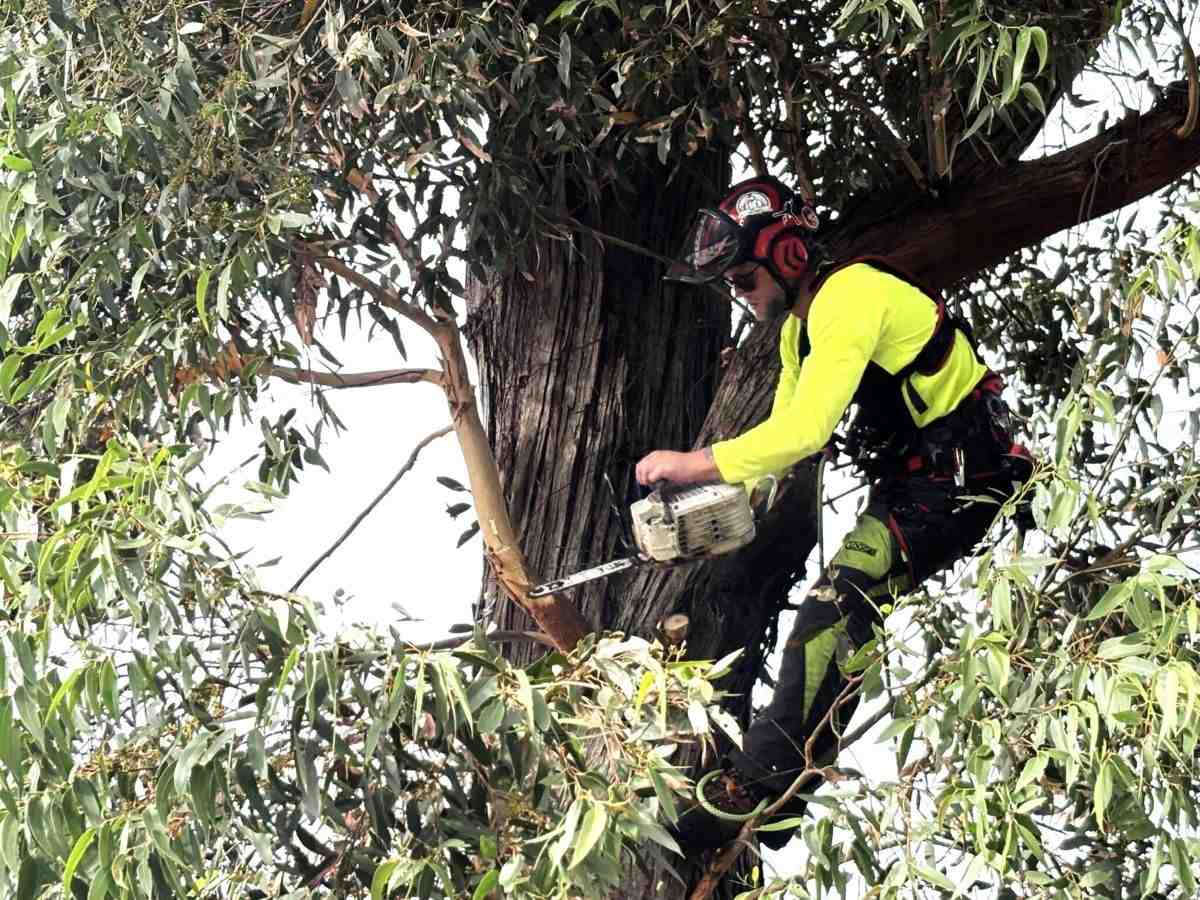
Eucalypts are often lopped because they grow quickly, form large limbs, and develop broad canopies that can extend over roofs and neighbouring properties. In wind, that canopy can act like a sail, increasing movement and stress at branch unions.

Typical triggers include gaining clearance from structures, reducing end-weight on long limbs, and managing canopy spread near boundary lines. Over-lopping can stress eucalypts and encourage problematic regrowth, so reduction should preserve sound structure and avoid shocking the tree.

Lilly pilly hedges/trees that become oversized screens

Lilly pilly is popular for screening, but vigorous regrowth means it can become oversized surprisingly fast. Dense foliage can block light, encroach on paths, press into fences, and create ongoing neighbour disputes if it crosses boundaries.

Lopping here is usually about controlled height and width reduction while keeping an even, healthy screen. Done well, thinning for airflow can also reduce pest and fungal pressure, which is common in overly dense canopies.

Fig trees (especially when planted too close to buildings)

Fig trees can be high maintenance because they produce broad canopies and strong growth that quickly conflicts with hardscapes and roofs. Leaf drop and fruit can also add mess and extra gutter load in the wrong location.

Lopping typically focuses on canopy containment and clearance from structures and high-use areas. Root management is a separate issue and may require additional advice. Removal may be considered if structural risk rises or the ongoing conflict cannot be managed responsibly.

Pittosporum and other quick-growing privacy trees

Pittosporum and similar privacy trees often need lopping because they expand quickly, can become top-heavy, and may start leaning when confined between fences and buildings. In small gardens, they can also crowd other plants and reduce usable space.

The main objective is to rebalance the canopy, maintain safe clearance, and reduce weight over driveways, play areas, and paths. Ongoing light maintenance usually produces a safer, healthier result than infrequent heavy cuts.

tree removal service

How Do You Know if a Tree Needs Tree Lopping?

You usually see it first as a space or clearance problem, then as a safety concern. A good homeowner checklist combines visible conflicts, risk signs, and growth patterns over time.

If branches are over roofs, play areas, parking zones, or public paths, don’t DIY. Book professional Sydney tree services, because safe rigging, drop zones, and proper cuts matter as much as the reduction itself. Early assessment also helps decide whether lopping is appropriate or removal is the safer option.

Clearance and conflict signs (the most obvious reasons)

Look for branches touching or overhanging roofs, gutters, solar panels, sheds, fences, or a neighbour’s yard. Also watch for limbs that block driveways, interfere with footpaths, reduce sightlines when reversing, or rub repeatedly against structures or other branches.

If a tree is approaching overhead service lines, treat it as a professional-only job. Powerline clearance has strict rules, and the right approach is to engage qualified arborists and follow the guidance of relevant authorities.

Structural and health red flags that need professional judgement

Cracks at branch unions, long heavy limbs with lots of end-weight, and deadwood in the upper canopy can indicate elevated failure risk. A new or worsening lean, heaving soil at the base, or signs of root disturbance after heavy rain can be particularly serious in Sydney’s storm cycles.

Dieback, drying limbs, and infection indicators may shift the decision from lopping to removal. It helps to photograph changes over time so tree loppers in Sydney can compare what is worsening and how quickly.

When lopping is the wrong solution

If a tree is dead or dying, severely infected, uprooted, or structurally compromised, lopping can leave you with a bigger hazard. Removal is often the responsible option when the underlying issue is instability or irreversible decline.

Repeated heavy lopping can also create weak regrowth that fails later, especially in exposed sites. Reputable providers will explain whether selective pruning, a staged reduction plan, or removal plus replanting is the best long-term outcome.

Can Tree Lopping Help Prevent Storm Damage in Sydney?

It can reduce risk, but it cannot storm-proof a tree. In Sydney, heavy rain, gusty winds, and saturated soils can turn small defects into major failures, so reducing canopy load and removing deadwood often makes a real difference. For a clearer understanding of timing, safety steps, and site assessment, see this guide on planning a safe tree removal on your property: How to Plan Safe Tree Removal on Your Property.

Risk reduction works by lowering wind resistance, removing brittle material, and rebalancing weight distribution. The best results come from ongoing care rather than a last-minute heavy cut before a forecast event.

What storm-prep lopping typically targets

Most storm-prep jobs prioritise dead or detached limbs, including hazardous “widowmakers”. They also focus on over-extended branches above roofs, cars, pergolas, and high-traffic zones such as driveways and paths.

Canopy balance matters too. If one side is heavier, wind can increase torsion and stress at unions. After the work, green waste removal and a quick re-check of the site help ensure the area is safe and usable.

Why timing and technique matter

Heavy cuts right before storm season can stress some species and trigger weak regrowth. Planning ahead with an arborist-led schedule is usually safer for both the tree and the property.

Poor lopping techniques can create larger future hazards, not fewer. Professional Sydney tree lopping should include a risk management approach: identifying targets, setting drop zones, planning rigging, and controlling access so people and property stay protected.

tree lopping service

Should an Arborist Inspect a Tree Before Tree Lopping?

Yes, because inspection ensures the right scope, improves safety, and helps you comply with Sydney rules. A proper assessment also prevents wasted money on the wrong solution, such as reducing a tree that actually needs removal.

An inspection typically covers tree health, structural faults, likelihood of failure, nearby targets like homes and neighbour fences, and the best method: prune, lop, or remove. It also helps identify whether council approval is required before work begins.

What a professional inspection and quote should include

A strong quote should clearly state what will be reduced or removed, why it is being done, and what outcome to expect in terms of clearance, shape, and risk reduction. It should also outline the safety plan, including access method, equipment, PPE, drop zones, and any traffic or pedestrian management.

You should also see proof of insurance, including public liability and workers’ compensation, plus other relevant coverage. Confirm what is included, such as green waste removal, stump grinding if required, and post-work inspection notes or care recommendations.

Choosing a local Sydney team (example: Hills District/North Shore needs)

Local knowledge helps because council rules vary and access challenges differ across suburbs. A team familiar with your area is often quicker at navigating approvals and planning safe work on tight blocks with close neighbours.

If you need broader capability for property or development work, look for services such as tree removal, stump grinding, vegetation clearing, mulching, site preparation and grading, environmental assessments, and regulatory compliance. For example, Trees Down Under supports Hills District and North Shore clients and prioritises safety with strong insurance coverage and a clear risk management plan.

How Car Decals Improve Long Term Brand Visibility

How Car Decals Improve Long Term Brand Visibility

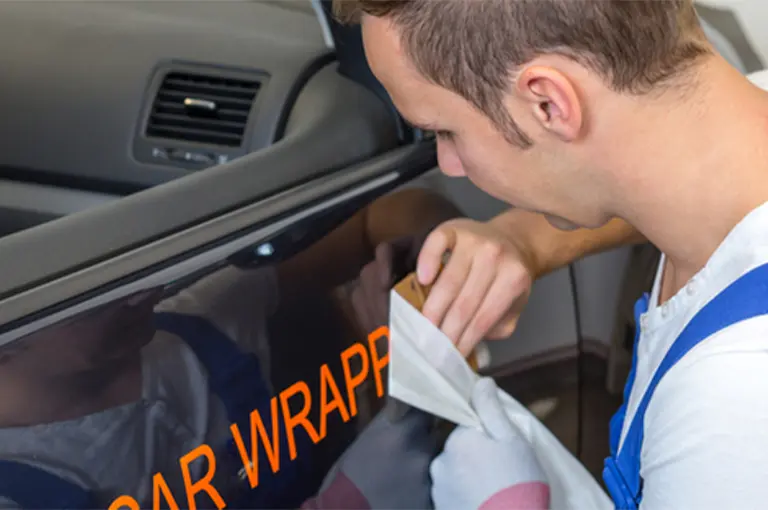
Car decals are more than just pretty graphics on a vehicle. They carry your company’s message on wheels, reaching thousands of potential customers every day. From boosting brand recall to creating advertising impressions en route, well-designed vehicle wraps are a straightforward method to improve long term brand visibility.

The impact of vehicle advertising is hard to ignore. With as many as 30,000 to 70,000 daily impressions per vehicle, this approach offers a high return on investment. In Australia, businesses new and established have found that car decals deliver a surge in brand recognition and trust. The statistics back it up, with vehicle wraps increasing brand recognition by up to 15 times compared to traditional static advertising.

The Power of Mobile Advertising

Vehicle wraps provide a level of mobility that static billboards simply cannot match. Every journey becomes an opportunity to showcase your brand to hundreds, if not thousands, of eyes. The diverse routes taken by vehicles mean your business will be seen across different regions, reaching both urban and rural communities.

The diverse locations and varying demographics increase the chance that viewers will remember your brand. Studies have shown that over 80% of viewers recall the advertised brand when a car wrap is seen. This statistic emphasises the effectiveness of mobile advertising as an unforgettable marketing tool.

This approach works because convincing visuals paired with a clear brand message create a lasting impression. Whether you are large or small, employing mobile advertising through car decals can offer a degree of exposure that transcends traditional marketing channels.

Cost-Effective Advertising for Modern Businesses

Car decals are an attractive choice because they offer up to 600% more impressions per dollar spent compared to other forms of outdoor advertising. This cost-effective solution allows companies with tight marketing budgets to compete with the big players while still gaining valuable exposure.

With fixed costs and the power of repeated exposure, the company’s message stays in front of potential customers daily. Every journey and every commute becomes part of a cohesive marketing campaign, ensuring that your business is always visible in unexpected places.

The numbers speak for themselves, and it’s no surprise that vehicle wraps continue to be a favourite among enterprises looking for an efficient and effective marketing medium.

How Car Decals Improve Long Term Brand Visibility

Enhancing Brand Recognition through Vehicle Wraps

A strong brand presence is essential in a competitive market. Car decals have the unique ability to increase brand recognition exponentially. A single vehicle wrap can transform an ordinary car into a moving billboard that communicates your business identity with bold colours and captivating designs.

Through consistent brand messaging and captivating graphics, customers begin to identify a familiar and trustworthy brand. In fact, research suggests that vehicle wraps can boost brand recognition by up to 15 times compared to other advertising methods.

This phenomenal increase in recognition helps foster customer loyalty and sets the stage for long term success. Customers feel more comfortable engaging with a brand they recognise instantly from the road.

Driving Click-Through Rates in the Digital Age

In today’s digital age, bridging the offline and online worlds is crucial. Car decals not only capture attention on the move but also drive digital engagement. When paired with other marketing efforts, vehicle wraps can increase a company’s click-through rate by up to 25%.

A visually appealing decal piques the interest of onlookers, prompting them to search for your business online. This seamless connection between offline notice and online interaction enhances your overall marketing strategy. By integrating QR codes or clear website URLs on your vehicle, you nudge potential customers towards further exploration.

This effective strategy merges traditional advertising with the digital landscape, creating a comprehensive marketing approach that resonates with a tech-savvy audience.

Design Elements That Make a Difference

The Importance of Colour and Contrast

Colours and contrast play a significant role in car decal design. Bold and contrasting colour schemes not only attract attention but also ensure that your message is readable from a distance. In a world of visual overload, standing out becomes essential.

It is crucial to choose colours that reflect the brand’s identity while also appealing to the eye. Bright hues against darker backgrounds ensure clarity even in various lighting conditions and speeds on the road.

Businesses often find that a harmonious blend of colours significantly enhances the overall look of the wrap and contributes to more memorable impressions.

Typography and Fonts

Clear, readable fonts are key to ensuring that your simple message reaches the viewer. With vehicle wraps, every second counts, and clarity in communication is paramount. Choosing the right typeface amplifies your branding, making your message accessible at a glance.

Custom typography can be tailored to reflect your brand’s personality. Whether modern and sleek or traditional and robust, the typography adds another layer of identity to your mobile advertising.

It is not just about style; effective use of fonts ensures the text remains legible even at higher speeds and from a distance, directly influencing recall and engagement.

Graphics and Imagery

High-quality graphics and imagery capture attention immediately, turning a car wrap into an interactive experience. Visual elements should always be crisp and relevant, ensuring they communicate your business values instantly.

The right imagery can tell a story, whether it’s a product in action or a simple yet effective logo representation. Visual storytelling engages audiences, turning casual viewers into interested prospects.

Consistency in design, where graphics echo the overall branding strategy, elevates both brand perception and recognition. This consistency reinforces your company’s message effectively every time the vehicle is on the move.

Integration with Overall Marketing Strategy

Car decals work best when integrated with a broader marketing strategy. Pairing them with online advertising, social media campaigns, and traditional print can magnify the impact of your marketing efforts.

This integration ensures that potential customers experience a consistent message across multiple channels. For example, a well-placed URL or QR code can lead viewers directly to your online store or social media profile, marrying the physical with the digital seamlessly.

The synergy between car decals and online campaigns can lead to notable increases in click-through rates and overall engagement, making your business more visible than ever.

Local and Regional Benefits

In Australia, small and medium-sized businesses benefit from the local visibility that car decals provide. Whether navigating busy city streets or country roads, a vehicle wrap presents your brand in localised settings, fostering community recognition and loyalty.

This localised approach ensures that potential customers within your geographic area associate your brand with trust and local relevance. Car decals become an ambassador for your business, creating a strong presence in the neighbourhood.

Additionally, regional advertising through vehicles can tap into markets where traditional advertisements fail to reach the localised dynamics. Chances of word-of-mouth and local buzz increase, further reinforcing brand credibility.

Measuring Success and ROI

Assessing the effectiveness of a car decal campaign is an essential part of any marketing strategy. With digital metrics at your disposal, tracking success becomes easier. Click-through rates and website visits offer measurable insights into how well your car decal is performing.

Furthermore, combining offline impressions with digital engagement helps quantify a previously intangible asset. Over 80% brand recall from vehicle wraps is a tangible indicator that the investment in mobile advertising is worthwhile.

These measurements not only help refine future campaigns but also confirm that car decals are a smart investment for businesses looking to maximise their advertising budget.

Long Term Impact on Brand Visibility

Beyond immediate advertising benefits, car decals set the stage for long term brand visibility. As vehicles traverse various routes, the cumulative effect of consistent exposure reinforces your brand in the minds of viewers.

Over time, repeated sightings translate into familiarity and trust. A simple journey in the daily commute can embed your logo, colours, and message into the subconscious of potential customers.

This type of long term visibility is invaluable. Once a brand image is established through repeated impressions, it helps in cultivating a more loyal and engaged customer base.

Building Trust Through Consistency

Consistent exposure is one of the cornerstones of building trust. When a customer repeatedly sees your brand throughout their day, it creates an unspoken assurance that your business is stable, reliable, and here to stay.

Trust is further enhanced when your car decals align with the visual themes of other marketing materials, ensuring a unified brand message. A consistent approach helps mitigate the risks of miscommunication and branding dissonance.

The long term impact is dual: on one hand, there is an increase in brand recall; on the other, the established trust encourages prospective customers to choose your business over competitors.

Adapting to Market and Creative Trends

The vehicle advertising landscape continues to evolve as new creative trends and marketing strategies emerge. Adapting the design and message of your car decals to current trends ensures that the campaign remains fresh and engaging.

Whether it’s incorporating minimalist design principles or leveraging bold, illustrative graphics, staying current with design trends makes your advertising feel up-to-date and appealing. This approach continually feeds the audience’s interest.

Moreover, regularly updating designs and messages can reignite interest among repeat viewers, ensuring that your brand remains in the forefront of a dynamic market

Practical Tips for Maximising Vehicle Wrap Success

To get the most out of a vehicle wrap, consider best practices that help in achieving the dual goals of aesthetics and efficiency. Planning and executing the campaign with a clear strategy maximises long term returns.

A clear design brief, understanding your target market, and selecting high-quality materials are vital first steps. The decal should encapsulate the brand essence while staying visually appealing in any environment.

Keeping your design simple yet effective makes it memorable. Strategic placement of contact information and calls to action, like website addresses or social media handles, is also key to enhancing overall engagement and conversion.

Choosing the Right Vehicle

Not every vehicle is equally effective as a mobile billboard. Larger vehicles such as vans or trucks offer more surface area, making them ideal candidates for detailed, striking designs. A well-chosen vehicle can complement the intricacies of the design.

Your choice of vehicle might also depend on the routes and areas you intend to focus on. Selecting vehicles that frequently traverse high-traffic areas ensures maximum exposure without compromising on message clarity.

It is essential to remember that the vehicle itself becomes a part of your brand’s narrative. Choosing the right vehicle can elevate the brand image while providing a canvas that rewards both the designer’s and the viewer’s eye.

Working with Professional Designers

Crafting an effective vehicle wrap often requires the insight of experienced designers. Their expertise in visual communication, colour theory, and current trends plays a critical role in turning a car into a moving, effective billboard.

Collaborating with professionals means the final product speaks directly to your target audience. A seasoned designer knows how to balance the need for eye-catching graphics with the requirements of clear messaging.

Investing in professional design services ensures that every aspect of the decal-from layout to durability-is optimised for long term brand visibility. This professional touch can make all the difference between a standard wrap and a truly captivating one.

Maintenance and Updates

To preserve the impact of your vehicle wraps over time, regular maintenance and occasional updates are essential. Exposure to harsh weather conditions and constant wear can affect the gloss and clarity of decals.

Routine cleaning and inspection can prevent minor damage from becoming a costly issue later. Businesses that maintain their wraps throughout the year enjoy consistent brand visibility without the distracting signs of wear and tear.

Additionally, as your business evolves, updating the design to reflect current offerings or refreshed branding can keep the decal relevant and engaging. This proactive approach ensures that your moving advertisement continues to deliver an excellent return on investment.

Embracing a Mobile Marketing Future

With the power of digital integration and consistent offline visibility, car decals are paving the way for a future where mobile marketing reigns supreme. Their unique ability to mix immediate physical impressions with measurable digital engagement creates a powerful advertising synergy.

This blend of traditional and modern methods maximises reach and engagement. By employing car decals as part of a wider marketing strategy, businesses ensure that they are always visible, no matter where their target audience roams.

The forward-thinking approach that embraces mobile advertising is set to be a key driver for businesses looking to thrive in a competitive environment. Car decals serve not just as an advertisement, but as a statement of innovation and adaptability.

Case Studies and Success Stories

Numerous businesses have witnessed a transformative change in their brand visibility and customer engagement by incorporating vehicle wraps into their marketing strategies. From start-ups to established companies, the success stories are plentiful and inspiring.

One local retailer in Australia saw a dramatic increase in foot traffic and website visits after investing in high-quality car decals. Customers would often mention spotting the familiar design on their daily commute, prompting further interaction with the brand.

These case studies underline the fact that any business, regardless of size, can achieve impressive results through thoughtful mobile advertising. The creativity, innovation, and measurable impact behind each success story offer plenty of food for thought.

Adapting to Regional Nuances

Australia’s diverse landscapes and regional differences mean that targeting local demographics through mobile advertising must be tailored to suit varying cultural and geographical contexts. A car decal that speaks to the urban crowd might differ from one aimed at rural communities.

For instance, a design that incorporates elements of local heritage or highlights community values can resonate strongly in regional areas. Localisation ensures that the brand message is well received and relevant to the community’s lifestyle.

Embracing these regional nuances not only enhances the connection with local audiences but also fosters community engagement, leading to enhanced brand visibility over the long term.

Preparing for Future Trends

Ahead of tomorrow’s marketing trends, vehicle wraps are likely to become even more integrated with digital innovations. Augmented reality features and interactive elements might soon complement static decals, further blurring the lines between offline and online marketing.

Keeping an eye on emerging trends ensures that businesses can innovatively update their vehicle wraps to maintain relevance. This anticipation of future demands positions brands as forward-thinking and adaptive in an ever-changing market landscape.

The journey into the future of mobile marketing begins with a single step-a well-designed vehicle wrap that embraces both current successes and future possibilities.

How Car Decals Improve Long Term Brand Visibility

Final Thoughts on Long Term Brand Visibility

Car decals are an exceptional tool for businesses aiming to enhance their brand visibility over the long term. By combining striking design, digital integration, and practical maintenance, a vehicle wrap becomes a versatile and enduring marketing asset.

The cumulative effect of repeated impressions, localised engagement, and strategic message delivery makes car decals a standout option among marketing channels. The impressive statistics-from 30,000 to 70,000 daily impressions to a 600% increase in advertising efficiency-speak volumes about their potential.

Whether you are a small local business or an enterprise with national ambitions, the benefits of vehicle advertising remain clear. Investing in high-quality car decals is a decision that drives long term brand recognition, trust, and ultimately, business growth.

Embracing the Art of Mobility

Every time your vehicle takes to the road, it carries an opportunity to engage a new set of eyes, spark curiosity, and build a connection. Car decals naturally integrate into everyday life, subtly informing and influencing those who share the road with you.

This mobile art form bridges the gap between creativity and functionality, ensuring your brand message persists throughout the day. Each journey is not just a commute, but a part of a larger narrative of brand evolution and endurance.

The art of mobility is in its seamless blend of utility and aesthetics, where every decal tells a story of innovation, reliability, and community connectivity.

A Future Steered by Innovation

The future of marketing continues to evolve with technology and creative expression converging in exciting new ways. Car decals stand at this crossroads, inviting businesses to rethink conventional advertising and embrace a dynamic marketing approach.

Click here for more Why Custom Sweatbands Are Popular for Sporting Events

Why Custom Sweatbands Are Popular for Sporting Events

Why Custom Sweatbands Are Popular for Sporting Events

Custom sweatbands have emerged as a striking trend among athletes, teams, and brands alike. With sports enthusiasts demanding both functional and stylish accessories, customisation has taken centre stage. From high-performance designs to personal aesthetics, these sweatbands are bridging the gap between practicality and personal expression at sporting events.

Driven by technology, changing market trends, and evolving consumer demands, custom sweatbands have transcended their utilitarian roots. They are now viewed as a statement of individuality, team spirit, and cutting-edge style. In this exploration, we dive into the reasons behind their rising popularity.

Market Trends and Growth Projections

The global sweatband market is on a steady rise, with projections reaching $9.38 billion by 2034. This impressive growth, at a compound annual growth rate of 5.2% starting in 2025, reflects evolving consumer demand and deeper engagement by sporting brands. These numbers demonstrate an industry fine-tuned to both quality and bespoke design.

Industry analysts have noted that innovation and competitive product launches are fuelling this growth. A recent report highlighted the influx of smart headband innovations that comprised a significant share of new product launches in 2024. With such advancements, the sweatband market is evolving to cater to a tech-savvy audience, who value both performance enhancements and design customisation.

The integration of performance features alongside custom design has made sweatbands a multi-functional accessory in sporting events. The ability to merge aesthetic appeal with advanced material science is captured not only in market statistics but also in the increasing number of brands investing in sustainable and smart product lines.

Customisation: The Heart of the Trend

Customisation is now at the forefront of sporting merchandise. Around 38% of brands have embraced personalised headbands, offering options in size, colour, and design, to meet individual and team preferences. For many sports teams, customised sweatbands serve as an extension of their identity, helping them stand out both on and off the field.

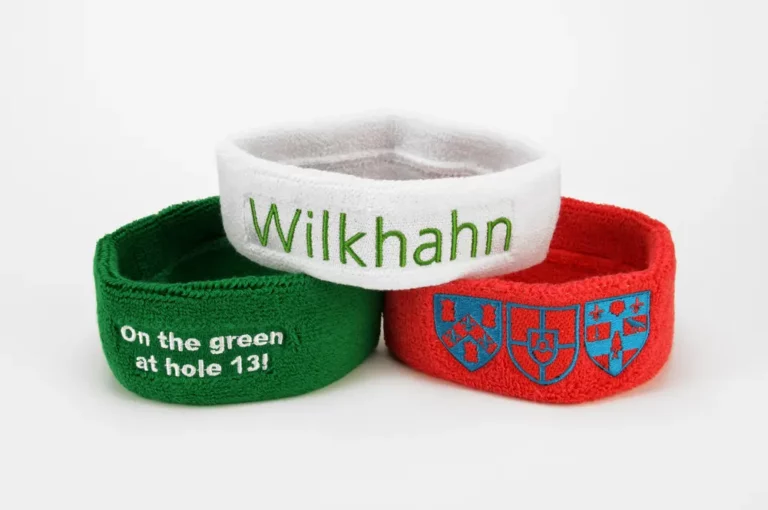
With advancements in embroidery, sublimation printing, and digital design, creating a bespoke sweatband has never been easier or more effective. Such methods allow precise reproduction of team logos, colours, and even individual player details, elevating the accessory to a cherished piece of memorabilia.

This level of customization ensures that each product resonates with the user’s personality and style. In a world where personalisation is increasingly expected, custom sweatbands provide both a functional role and an emotional connection. Fans and athletes alike can take pride in their gear, knowing it is tailored to their specifications.

Why Custom Sweatbands Are Popular for Sporting Events

Technological Innovations and Smart Headbands

Technology is continuously reshaping the sporting accessory market. The emergence of smart headbands illustrates this point, with recent developments showing that 18% of all new product launches in 2024 featured innovative tech integrations. These smart headbands incorporate sensors and connectivity features, allowing athletes to monitor performance metrics in real time.

Integrating technology into sweatbands has not only enhanced their functionality but also their appeal. Athletes can now track sweat levels, heart rates, and other biometric data without compromising on style. This marriage of technology and custom design speaks to a broader consumer trend of mixing high performance with personalisation.

Additionally, incorporating sustainable materials in these innovative designs is becoming a key selling point. Sports teams and brands increasingly value eco-friendly production methods, which align with the growing global shift towards sustainability in all areas of manufacturing. This dual focus on innovation and environmental consciousness ensures that new product lines remain competitive and relevant.

The Role of Sustainable Materials

Sustainability forms a cornerstone of modern product design, and custom sweatbands are no exception. Sustainable product launches experienced a notable 20% increase in 2024, reflecting a growing consumer preference for eco-friendly options. Manufacturers are now focused on utilising recycled and responsibly sourced materials that minimize environmental impact.

Organic fibres and repurposed synthetic materials are increasingly used in sweatband production. The hard work behind researching durable yet sustainable options means that even high-performance accessories can boast an eco-friendly profile. This trend benefits both the planet and the consumer, fostering a sense of shared responsibility in improving environmental impact.

With synthetic materials already dominating 45% of market share in 2023, the challenge for manufacturers is to blend performance with ethical production practices. The push for sustainable innovation ensures that custom sweatbands will continue to evolve in line with consumer values, while still meeting high industry standards.

Performance and Functionality in Sporting Events

Athletes demand gear that not only looks good but performs under intense physical activity. Custom sweatbands offer practicality by absorbing sweat, reducing slippage, and improving overall comfort during competitive matches. They provide a simple yet effective solution to managing sweat and maintaining grip during moments of peak performance.

The material quality and design durability are critical factors in ensuring that these accessories can withstand rigours of sports. High-grade synthetic materials, chosen for their superior moisture-wicking properties, help maintain performance levels even during extended play. This balance of functionality and custom design promotes both athletic excellence and style.

Beyond physical performance, custom sweatbands add a layer of identity and pride to athletes. Many teams use bespoke designs to symbolise unity, ambition, and repute. The ability to incorporate motivational slogans, personal mottos, or distinctive emblems creates an emotional link to the gear, enhancing both team cohesion and individual confidence.

Meeting the Demand of Young Consumers

Young consumers today are digital natives who value individuality and innovation in every aspect of their lives. A study involving young respondents evaluating virtual product sets has found that personalisation plays a key role in purchasing decisions. Custom sweatbands cater to this demographic by providing options that allow for unique style statements alongside functional benefits.

These consumers are particularly responsive to products that reflect their personal brand. They are drawn to accessories that not only serve a practical purpose but also allow them to express their personality. The ability to select colours, designs, and even add personalised messages can greatly influence the purchase decision, making custom sweatbands a hit among young athletes.

Sports teams and athletic brands that recognise and cater to this trend can forge stronger connections with younger audiences. By offering a product that resonates on both a functional and aesthetic level, they build a base of loyal customers who value innovation and personal expression. This focus on the youth market will continue to drive customisation innovations in the years to come.

Design Considerations and Customisation Options

Choosing the Right Materials

Design is everything when it comes to custom sweatbands. The selection of high-performance synthetic materials is paramount, as these provide excellent moisture management and durability. Sports enthusiasts prefer materials that are lightweight yet robust enough to endure long sessions of activity.

Manufacturers are continually exploring new fibre blends that offer improved comfort without compromising on strength. The choice of material also impacts the customisation process, as certain colours and textures enhance the overall visual appeal. This fusion of functionality with aesthetics is what sets custom sweatbands apart.

Material innovation also includes the integration of sustainable fibres. By opting for recycled polyester or natural blends, teams can align their gear with environmental values while maintaining peak performance. The resulting products are not only stylish but also a testament to responsible manufacturing practices.

Printing and Embroidery Techniques

The design process for custom sweatbands involves a variety of techniques, with embroidery and sublimation printing at the forefront. These methods allow for intricate designs that retain high fidelity even after repeated use. Custom logos, motivational quotes, and unique patterns can be incorporated seamlessly.

Embroidery offers a textured, premium finish while sublimation printing provides vibrant, long-lasting colours. Both techniques enable teams and individuals to create gear that truly represents their style and spirit. The ability to choose from multiple methods means that custom sweatbands cater to a wide array of tastes and preferences.

Each method has its merits. Teams that prefer a classic, distinguished look often lean towards embroidery, whereas those seeking bright, dynamic designs opt for sublimation printing. This flexibility in design techniques is a key reason why custom sweatbands have captured the imagination of sporting communities worldwide.

Personalisation Beyond Aesthetics

Custom sweatbands offer more than just visual appeal. The option for individualised sizing ensures maximum comfort, which is crucial during intense physical activity. Athletes now benefit from gear that is tailored not just in appearance but also in fit.

Personalisation can extend to include reflective elements for night-time sports or even integrated sensor technology for performance tracking. This level of customisation means that sweatbands are evolving into sophisticated sports accessories that address a multitude of requirements. The trend is clear: a one-size-fits-all approach is outdated.

Such advancements make custom sweatbands functional masterpieces. They do more than just complete an outfit-they provide tangible benefits throughout training and competitive play. Tailoring gear to meet individual athlete needs underscores why customised accessories are here to stay.

The Impact on Team Identity and Branding

For sports teams, custom sweatbands extend beyond practical uses. They serve as a symbol of unity and pride, representing the well-defined spirit of the team. Designs can incorporate team colours, logos, and slogans, reinforcing the group identity both on the field and in the stands.

Custom sweatbands engage fans by creating a visible link between the players and their supporters. This connection fosters a sense of belonging and collective pride, which can be a key factor in team success. Athletes wearing branded gear are often inspired by the consistency of their team’s image, bolstering morale during crucial moments.

Additionally, off-field merchandise like custom sweatbands provides a marketing opportunity. Fans who purchase replica items feel closer to the team, driving additional revenue streams. The dual role of these sweatbands-as both performance accessories and branded memorabilia-cements their status as indispensable sporting gear.

Integrating Custom Sweatbands into Sporting Culture

Custom sweatbands have seamlessly integrated into the broader sporting culture. Their rising popularity has prompted sports clubs, schools, and community teams to adopt bespoke designs for both formal competitions and casual training sessions. These accessories have become a medium for creative expression on and off the field.

A growing trend in local competitions is for teams to celebrate victories and milestones using customised gear. Whether it’s commemorating a tournament win or launching a new team era, personalisation transforms a simple accessory into a keepsake with emotional resonance.

This cultural integration is further supported by online communities and social media channels, where fans proudly display their customised gear. Such displays inspire others to invest in personalised sporting accessories, contributing to the overall growth of the market. The modern sporting landscape is as much about community and identity as it is about the game.

Practical Considerations for Athletes and Teams

Choosing the ideal custom sweatband involves weighing both form and function. Athletes and teams must consider aspects such as moisture-wicking efficiency, material durability, and comfort. A well-designed sweatband can make a noticeable difference in performance, particularly in high-stress situations.

Teams are also increasingly concerned with the longevity and practicality of these accessories. A custom sweatband needs to endure rigorous sporting sessions and frequent laundering without losing its appeal. Advances in material science have led to sweatbands that remain vibrant and durable even after prolonged use.

Furthermore, ease of customisation means teams can experiment with different design elements until they find the perfect match. The ability to modify sizing, graphic placement, and colour combinations gives teams control over their branding. This flexibility ensures that each sweatband not only serves as a practical tool but also as an emblem of the team’s ethos.

Case Studies and Real-World Impact

Examples abound of sports clubs that have embraced custom sweatbands as part of their overall gear. Local teams often recount success stories where a fresh, customised look has boosted morale and ignited a winning spirit. Anecdotal evidence from clubs points to improved team communication and heightened energy during matches.

International sports brands, too, are riding the customisation wave. Many now offer bespoke accessory packages for both amateur and professional athletes. These initiatives have not only strengthened brand loyalty but have also introduced innovative design methods into mainstream sports merchandising.

Data from industry reports further supports the notion that personalisation can drive sales. The athletic headband market, for example, is projected to reach $780 million by 2028. This remarkable growth, at a 6.3% CAGR from 2023, highlights the substantial market for high-quality, custom-designed sweatbands. Real-world cases demonstrate that when teams and individuals invest in a personalised approach, the rewards extend far beyond aesthetics.

Future Outlook and Emerging Trends

Looking ahead, custom sweatbands are set to enjoy even broader popularity. With continuous improvements in customisation technology and a sustained focus on sustainable production, the market is poised for further growth. The industry is adapting by integrating more smart functionalities and eco-friendly materials into their product lines.

Consumer demand for personalised items is unlikely to wane. Young consumers, especially, value individuality and expressiveness, a trend that is only set to diverge further as digital customisation becomes more accessible and immersive. This shift will undoubtedly prompt manufacturers and brands to push the boundaries of design and functionality.

Future innovations may include wearable technology seamlessly embedded into sweatbands, offering real-time feedback and performance analytics on the go. Such trends blend health, technology, and personal expression, reinforcing the role of custom sweatbands as a nexus of sport, style, and smart innovation.

Why Custom Sweatbands Are Popular for Sporting Events

How to Choose the Perfect Custom Sweatband

Selecting the perfect custom sweatband is not as simple as choosing any ordinary accessory. It requires careful consideration of both material and style. Athletes should begin by evaluating fabric types and production methods. The right blend of moisture-wicking synthetic fibres and sustainable elements is essential.

Next, consider the design aspects. Whether opting for vibrant sublimation printing or a classic embroidered finish, the final design should reflect team identity and appeal to personal tastes. This dual focus on function and aesthetics ensures that each sweatband is not only practical during play but also a prideful piece of team memorabilia.

Lastly, look for suppliers that offer a high degree of customisation. With many brands now providing options ranging from reflective trims for night games to integrated sensor pockets, the market offers a diverse array of choices. Detailed consultations with manufacturers often yield the best outcomes, ensuring that every element of the sweatband aligns perfectly with the wearer’s needs.

Conclusion: The Enduring Appeal of Custom Sweatbands

Custom sweatbands have carved a unique niche in the world of sports accessories. They bridge the gap between practical performance improvements and personal branding, all while promoting sustainability and technological innovation. From grassroots teams to international sports brands, the appeal of a customised accessory resonates far and wide.

Whether you are an athlete looking for enhanced performance, a coach hoping to inspire team spirit, or a fan seeking to connect with your favourite sports club, custom sweatbands offer a versatile and appealing solution. As technology and design continue to evolve, these practical yet stylish accessories are set to become an even more integral part of sporting events.

Embracing the trend towards customisation means recognising that every detail matters. In a competitive sporting environment, standing out is not just about performance metrics-it’s about conveying identity, passion, and commitment through every piece of gear. Custom sweatbands are a testament to that philosophy, ensuring that the next generation of sporting accessories is as innovative as it is inspirational.

Click here for more How Car Decals Improve Long Term Brand Visibility

Custom Coins

How Custom Coins Boost Recognition at Corporate, Military, and Charity Events

What Are Custom Coins and Why Are They Significant?

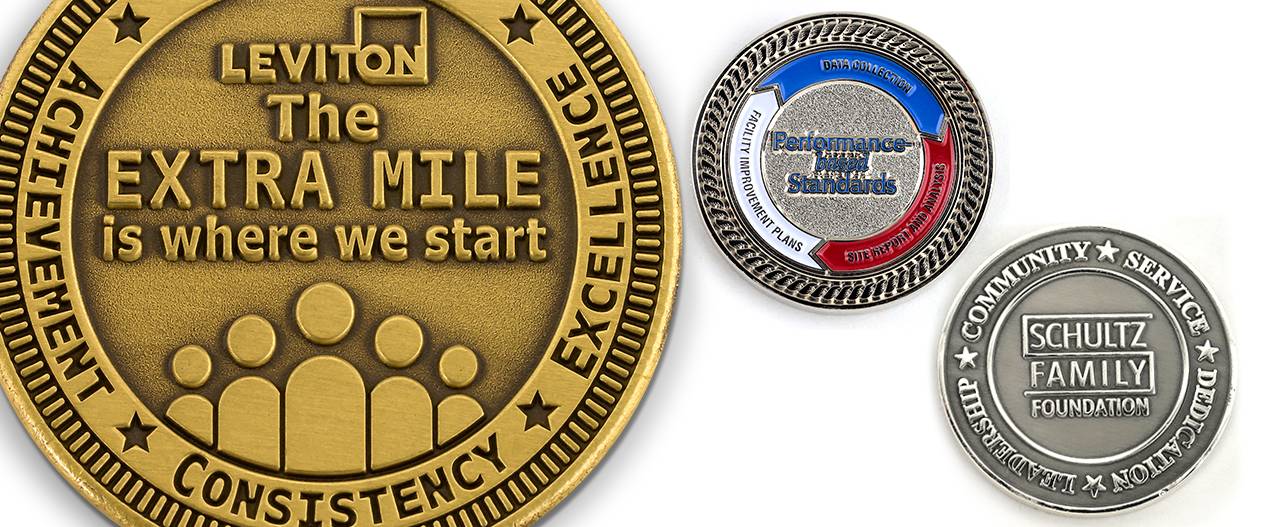
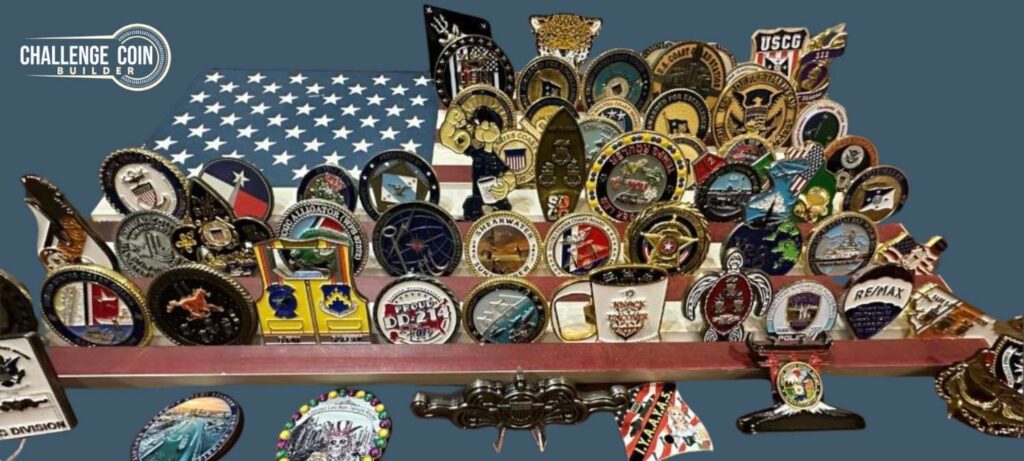
Custom coins are small, metal medallions featuring unique designs that organizations use to recognize achievements and build connections among members. These coins, commonly known as challenge coins, trace their roots to World War I when a wealthy lieutenant had bronze medallions made for his flying squadron.

The history of challenge coins began when one pilot’s medallion saved his life after being shot down over Germany. French soldiers nearly executed him as a spy, but he showed his squadron coin, proving his identity and earning his release. This military tradition spread across branches and generations, cementing custom coins as powerful symbols of service.

These coins carry deep symbolic recognition value beyond their physical form. Each coin represents:

  • Achievement: Marking completed missions, exceptional performance, or significant milestones
  • Camaraderie: Creating bonds between team members who share similar experiences
  • Belonging: Signifying membership in an elite group or organization
  • Appreciation: Demonstrating gratitude for dedication and sacrifice

The significance of custom coins lies in their tangible nature. Unlike certificates that get filed away or plaques that gather dust, coins fit in pockets and wallets. Recipients carry them daily, creating lasting reminders of their accomplishments and organizational ties. This portability transforms coins into conversation starters that strengthen identity and pride across corporate, military, and charity sectors.

How Do Custom Coins Enhance Recognition in Corporate Events?

Custom coins transform employee recognition programs by offering a physical symbol that outlasts digital certificates or email acknowledgments. Companies distribute these coins to celebrate outstanding performance, project completions, work anniversaries, and significant business milestones, creating memorable moments that employees cherish long after the achievement.

The Impact on Corporate Culture

The impact on corporate culture extends beyond the initial presentation. When employees receive custom coins, they display them on desks or carry them as personal reminders of their contributions. This visibility reinforces organizational values and creates conversations among team members, naturally building team spirit and collective pride. The coins become conversation starters that strengthen interpersonal connections and remind everyone of shared goals.

Success Stories from Fortune 500 Companies

Fortune 500 companies have integrated challenge coins into their employee appreciation programs with measurable success:

  • Google awards custom coins to teams completing major product launches, with designs featuring project-specific imagery
  • Boeing presents coins to employees reaching service milestones, incorporating company heritage elements into each design
  • Lockheed Martin uses department-specific coins that employees exchange to build cross-functional relationships

The Emotional Connection of Tangible Tokens

These tangible tokens create lasting emotional connections that digital rewards cannot replicate. Employees report feeling genuinely valued when receiving a custom-designed coin, particularly when leadership presents them during company events or team gatherings. The physical weight and craftsmanship of each coin communicates investment in individual contributions.

Why Are Custom Coins Important in Military Events?

Military challenge coins are powerful symbols of honor that represent the bravery, sacrifice, and unwavering dedication of service members. These coins hold significant meaning, turning ordinary metal tokens into treasured symbols of military excellence. When a commanding officer presents a coin, it recognizes exceptional commitment that goes beyond regular duty.

The Importance of the Awarding Process

The way coins are awarded follows strict rules that make them even more meaningful. Commanders give out coins during official ceremonies for completed missions, acts of bravery, or consistently outstanding performance. Some units have specific coin designs for certain achievements—a special operations team might create unique coins for successful deployments, while training instructors award coins to graduates who demonstrate exceptional skill. This careful selection process ensures that each coin represents true accomplishment rather than just participation.

Building Bonds through Coin Exchanges

Military camaraderie is strengthened by the tradition of personnel exchanging coins. Service members carry their coins as proof of belonging to a unit and sharing experiences. The practice of “coin checks”—where individuals challenge others to show their coins—creates moments of connection and reinforces unit identity. Trading coins between different branches or international forces fosters mutual respect. Veterans often showcase their collection as tangible reminders of the brotherhood formed through service, with each coin telling a story of trust, sacrifice, and shared purpose that transcends rank and time.

How Do Charity Organizations Utilize Custom Coins to Boost Recognition?

Charity organizations transform custom coins into powerful charity fundraising tools by selling them at galas, marathons, and awareness campaigns or distributing them as donor rewards to acknowledge contributions. These coins generate revenue while simultaneously recognizing supporters who make the mission possible.

Custom Coins vs. Traditional Branded Materials

Custom coins outperform traditional branded materials like pens or tote bags because they carry inherent collectibility and emotional weight. A donor receiving a beautifully crafted coin commemorating their support for a cancer research foundation or animal rescue organization keeps that tangible reminder for years, creating a lasting connection that generic promotional items rarely achieve. The physical presence of these coins on desks, shelves, or in collections keeps the organization’s cause visible in supporters’ daily lives.

Meaningful Symbolism in Coin Designs

Nonprofit marketing strategies benefit significantly when coin designs incorporate meaningful symbolism. A wildlife conservation group might feature endangered species on their coins, while a veterans’ assistance charity could include patriotic imagery and service branch emblems. These customized designs communicate organizational values instantly and spark conversations when supporters display or share their coins. Want to get more about non-profit marketing click here.

Dual Purposes at Charity Events

The coins also serve dual purposes at charity events—they function as admission tokens, auction items, or tiered rewards for different donation levels. A $100 donor might receive a bronze-finished coin, while major benefactors receive gold-plated versions, creating a recognition hierarchy that motivates increased giving. This approach turns each coin into a badge of philanthropic commitment that supporters wear with pride.

Custom Coins

Why Are Custom Coins Effective Across Various Industries?

Custom coins are powerful tools for recognition in various industries because they fulfill basic human needs for acknowledgment and connection. These coins can be given out in different settings such as boardrooms, military bases, or charity events, and they have the ability to create emotional connections that go beyond their physical appearance.

The Psychological Factors Behind Their Effectiveness

The effectiveness of custom coins can be attributed to three common psychological factors:

  1. Belonging – Recipients feel like they are part of an exclusive group with shared experiences.
  2. Appreciation – The tangible nature of the coin validates contributions in ways that digital certificates cannot.
  3. Motivation – Physical reminders of achievement inspire individuals to strive for excellence and stay engaged.

Interestingly, these psychological factors are not just limited to the realm of recognition or rewards. They can also significantly influence behavioral outcomes such as performance and engagement levels.

How Customization Enhances Impact

The benefits of customization further enhance this impact by allowing each organization to incorporate its unique identity into every coin. For example:

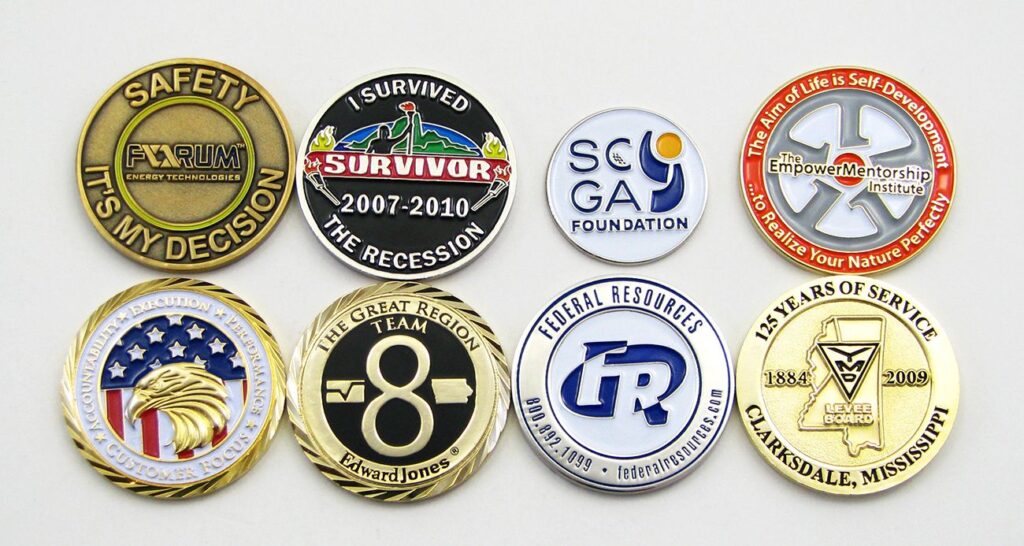
  • A tech startup might include circuit board patterns and company colors.
  • A veterans’ charity could feature service emblems and mission statements.

This personalization turns generic tokens into meaningful artifacts that represent specific values and accomplishments.

The Value of Commemoration Across Industries

The commemorative aspect of custom coins is equally valuable across different sectors:

  • Corporate teams use coins to celebrate product launches or anniversaries.
  • Military units create coins to mark the completion of deployments.
  • Charities design special editions for their annual fundraising events.

Each coin serves as a permanent record of shared success, generating conversations that extend recognition beyond the initial presentation. The recipient becomes a conversation starter, reinforcing organizational pride and strengthening community bonds through storytelling.

Custom Coins

Are Custom Coins Lasting Recognition Symbols and Event Success Tools?

Custom coins serve as lasting recognition symbols that outlast temporary rewards. Unlike certificates or plaques that get forgotten, these pocket-sized tokens go wherever the recipients go, serving as daily reminders of their accomplishments and connections with the organization.

The physical nature of customized recognition tools turns abstract appreciation into tangible keepsakes. Recipients carry coins in their wallets, display them on their desks, or store them in shadow boxes, ensuring that recognition extends well beyond the moment they are given. This ongoing visibility constantly reinforces the behaviors and values that organizations want to celebrate.

Event success tools such as custom coins create unforgettable experiences that attendees talk about long after the events are over. The act of exchanging coins becomes a bonding experience, whether it’s at corporate conferences, military ceremonies, or charity galas.

Organizations looking for meaningful ways to recognize individuals should incorporate custom coins into their programs. These How Custom Coins Boost Recognition at Corporate, Military, and Charity Events show how effective they are in motivating people and strengthening group identity across different industries.

Related : Custom Lanyards: The Small Branding Tool With Big Visibility

Custom Lanyards

Custom Lanyards: The Small Branding Tool With Big Visibility

What Are Custom Lanyards and How Do They Work as Effective Branding Tools?

Custom lanyards are wearable straps designed to hold ID badges, access cards, keys, or event credentials while displaying company logos, slogans, and brand colors. They transform a functional necessity into a walking advertisement that moves with your audience throughout their day.

Small branding tools like custom lanyards deliver outsized marketing value because they occupy prime real estate: eye level and chest height where people naturally look during conversations. Unlike static advertisements that require someone to seek them out, custom lanyards travel with wearers into meetings, conferences, public spaces, and social gatherings.

The visibility advantage comes from three key factors:

  • Constant exposure: Wearers keep lanyards on for hours or entire days, creating repeated brand impressions
  • Mobile advertising: Each person becomes a brand ambassador, carrying your message into diverse environments
  • Natural attention: The neck-to-chest positioning places logos directly in conversational sight lines

This branding tool works particularly well because it combines utility with marketing. People need to carry credentials and keys anyway, so they willingly wear lanyards without perceiving them as intrusive advertising. The result is genuine brand visibility that feels organic rather than forced, making custom lanyards one of the most cost-effective promotional investments available to businesses of any size.

Why Are Custom Lanyards Considered Practical Yet Powerful Items for Enhancing Brand Exposure?

Custom lanyards deliver exceptional brand exposure because people wear them throughout their entire workday or event duration. Unlike business cards tucked away in wallets or brochures left on desks, lanyards remain visible for hours at a time.

The practical branding item serves essential daily functions. Employees need them to display security badges. Conference attendees rely on them to hold event credentials. Festival-goers use them for access passes. This functional necessity means recipients actually use the lanyards rather than discarding them.

Logo visibility multiplies through constant movement and interaction. A single lanyard wearer encounters dozens or hundreds of people daily in hallways, elevators, cafeterias, and meeting spaces. Each interaction creates a potential brand impression without requiring additional marketing effort.

Wearable branding creates a walking advertisement that operates continuously:

  • Extended reach: Recipients carry your brand into diverse environments beyond your immediate sphere
  • Repeated impressions: The same audience members see your logo multiple times, strengthening brand recall
  • Passive marketing: No active effort required from the wearer to promote your brand
  • Social proof: Multiple people wearing identical branded lanyards creates visual unity and legitimacy

The neck-worn position places logos at eye level during conversations, maximizing visibility during the most engaging moments of human interaction. This strategic placement ensures your brand appears exactly where attention naturally focuses.

What Personalization Techniques Can Be Used to Make Custom Lanyards Truly Reflective of a Brand’s Identity?

Logo printing transforms ordinary lanyards into powerful brand ambassadors. Companies can position their logos prominently on the strap, ensuring maximum visibility with every wear. The strategic placement of brand colors creates instant recognition, triggering mental associations with the company each time someone sees the lanyard.

Slogans and taglines add another layer of messaging beyond visual identity. These text elements reinforce brand values or campaign messages, turning each lanyard into a miniature billboard that communicates key information at a glance.

1. Dye-sublimation

Dye-sublimation stands out among personalization techniques for its ability to produce vibrant, full-color designs. This method infuses ink directly into the fabric fibers, creating permanent, fade-resistant graphics that maintain their brilliance through repeated use and washing. The technique allows for photographic quality images and complex color gradients.

2. Embossing

Embossing offers a tactile dimension to branding. This raised-relief technique creates a sophisticated, premium feel that appeals to touch. Debossing, its counterpart, presses designs into the material for a subtle yet elegant effect.

3. Screen printing

Screen printing provides crisp, bold results ideal for simple logos and text. The Pantone Matching System ensures color accuracy across all printing methods, maintaining brand consistency whether producing 100 or 10,000 lanyards.

4. Heat transfer and woven techniques

Heat transfer and woven techniques present additional options, each offering distinct aesthetic qualities and durability characteristics suited to different branding needs.

Which Materials Are Commonly Used for Making Custom Lanyards, and Why Should Brands Pay Attention to This Aspect?

Polyester is the most popular material used for lanyards. It’s cheap, long-lasting, and has a smooth surface that works well for bright printing. This synthetic fabric can handle everyday use while keeping its colors intact, making it the go-to choice for corporate settings and large events.

Eco-Friendly Alternatives

Brands are increasingly looking for eco-friendly lanyards made from sustainable materials:

  • Recycled PET (rPET): This material is made from plastic bottles, which helps reduce environmental impact without compromising quality.
  • Bamboo viscose: A naturally soft and biodegradable option that appeals to environmentally conscious consumers.
  • Cotton: Provides breathability and comfort for long wear, although it may show signs of wear faster than synthetic materials.

Functional Benefits of Different Materials

Choosing the right material for custom lanyards can also enhance their functionality:

  • Silicone: Offers waterproof durability and a modern look, making it ideal for outdoor events or tech-focused brands.
  • Bamboo viscose: Provides a soft feel against the skin, preventing discomfort during all-day conferences or multi-day festivals.
  • Polyester and silicone: These materials are better suited for lanyards that will be used frequently, as they can withstand regular handling and washing better than natural fibers.

Material selection directly affects how comfortable lanyards are to wear for extended periods. Softer materials like cotton and bamboo viscose prevent neck irritation during long events.

Choosing sustainable materials aligns brands with growing consumer expectations around environmental responsibility. Companies demonstrating commitment to eco-friendly practices through thoughtful material selection strengthen brand reputation while contributing to reduced plastic waste and carbon footprints.

Custom Lanyards

How Do Various Design Options Available for Custom Lanyards Contribute to Their Appeal and Visibility in the Market?

Design variety transforms custom lanyards from simple functional items into eye-catching brand ambassadors. The spectrum ranges from clean, minimalist single-color designs that convey professionalism to bold full-color prints that demand attention in crowded spaces.

Special effects amplify visual impact significantly. Metallic finishes create a premium appearance that elevates brand perception, while glow-in-the-dark features ensure visibility continues even in low-light environments like concerts or evening events. Reflective strips serve dual purposes—enhancing safety while adding distinctive visual elements that catch light from multiple angles.

Creative design choices directly influence brand recall rates. A tech startup might opt for sleek geometric patterns in their signature colors, while a music festival could embrace vibrant gradients and bold typography. The Pantone Matching System guarantees precise color reproduction across production runs, maintaining brand consistency whether ordering 100 or 10,000 units.

Moreover, the incorporation of advanced printing techniques such as gradient effects can add depth and modern aesthetic appeal to lanyards, making them even more visually appealing.

Pattern integration offers another dimension of customization:

  • Repeating logo patterns create texture while maximizing brand exposure
  • Gradient effects add depth and modern aesthetic appeal
  • Dual-sided printing doubles the messaging real estate
  • Textured weaves provide tactile interest that encourages handling

Strategic design decisions turn lanyards into conversation starters. When attendees notice an unusually striking lanyard design, they naturally engage with the wearer, creating organic brand interactions that traditional advertising cannot replicate.

How Can Safety Features and Technological Advancements Enhance the Value of Custom Lanyards?

Safety features and technological integrations transform custom lanyards from simple accessories into sophisticated branding tools that prioritize both protection and engagement. Breakaway clasps represent the most critical safety enhancement, designed to release under pressure when caught on machinery, doors, or during physical activity. This feature proves essential in manufacturing environments, healthcare facilities, and schools where wearer safety cannot be compromised.

The Mechanism Behind Breakaway Clasps

The mechanism works through a deliberate weak point in the lanyard’s construction. When approximately 15-20 pounds of force is applied, the clasp separates cleanly, preventing choking hazards or injury. Brands that incorporate breakaway clasps demonstrate care for user wellbeing while maintaining their promotional presence.

Benefits of Breakaway Clasps

  • Enhanced safety for lanyard wearers
  • Peace of mind for brands and event organizers
  • Positive brand perception through user-centric design

QR codes on lanyards bridge physical branding with digital experiences. These scannable codes can:

  1. Direct users to product catalogs or registration pages
  2. Provide instant access to event schedules and venue maps
  3. Enable contactless payment systems at festivals
  4. Track attendance and gather analytics data
  5. Link to exclusive content or promotional offers

The strategic placement of QR codes on lanyard surfaces creates interactive touchpoints throughout events. Attendees scan codes with smartphones, generating measurable engagement that traditional printed materials cannot achieve. This dual functionality—combining visible brand presence with digital connectivity—makes modern lanyards indispensable for data-driven marketing campaigns.

See Also : How Custom Coins Boost Recognition at Corporate, Military, and Charity Events

Why Are Custom Lanyards a Great Choice for Businesses and Event Organizers of All Sizes?

Custom lanyards are a smart choice for businesses and event organizers, no matter how big or small they are. Here’s why:

Cost-Effective Solution

Custom lanyards work for organizations of any size because they scale effortlessly through bulk orders that reduce per-unit costs while maintaining quality. A startup hosting its first trade show can order 100 lanyards just as easily as a multinational corporation ordering 10,000 for a global conference.

The economic advantage becomes clear when comparing cost-per-impression. Bulk purchasing options allow even small businesses to access professional-grade event branding without exhausting marketing budgets. Suppliers typically offer tiered pricing structures where larger quantities unlock significant discounts, making custom lanyards accessible whether you’re organizing a local workshop or an international festival.

Versatile Applications

Versatility defines their universal appeal:

  • Corporate environments: Employee identification and building access control
  • Trade shows and conferences: Attendee badges and sponsor visibility
  • Music festivals and sporting events: Ticket holders and VIP access differentiation
  • Educational institutions: Student ID systems and campus security
  • Retail promotions: Customer giveaways and loyalty program incentives

This adaptability means the same product serves distinct purposes across industries. A tech company uses lanyards for daily office operations while simultaneously distributing branded versions at industry conferences. Event organizers appreciate how quickly lanyards transform generic gatherings into branded experiences, creating visual cohesion that reinforces organizational identity from registration desks to networking sessions.

Market trends directly influence how brands approach lanyard design and material selection. Sustainability trends have transformed the custom lanyard industry, with businesses increasingly prioritizing eco-conscious materials to align with consumer values and corporate responsibility goals.

The shift toward sustainable products has made recycled PET (rPET), bamboo viscose, and organic cotton the materials of choice for environmentally aware brands. Companies recognize that choosing eco-friendly lanyards sends a powerful message about their commitment to reducing environmental impact. A tech startup using rPET lanyards at a conference, for example, demonstrates sustainability values before any conversation begins.

This green revolution extends beyond material selection. Brands now seek suppliers who use water-based inks, minimize packaging waste, and maintain ethical manufacturing practices. The lanyard becomes a tangible representation of corporate environmental policies, turning a simple accessory into a statement piece that resonates with eco-conscious audiences.

Fashion trends equally shape lanyard design preferences. The rise of minimalist aesthetics has popularized clean, monochromatic designs with subtle branding. Conversely, bold streetwear influences have driven demand for vibrant colors, oversized text, and eye-catching patterns that treat lanyards as fashion accessories rather than purely functional items.

Color psychology plays an increasingly strategic role. Brands study Pantone trends to select hues that evoke specific emotions and align with seasonal campaigns. A wellness brand might choose calming earth tones, while a tech company opts for electric blues and metallics that signal innovation.

The convergence of these trends creates opportunities for brands to differentiate themselves. Custom lanyards that balance sustainability with contemporary design appeal to both practical needs and aesthetic preferences, ensuring continued relevance in competitive markets where every touchpoint matters.

Custom Lanyards

Are There Any Noteworthy Collaborations Or Innovations That Have Further Elevated The Status Of Custom Lanyards As A Go-To Branding Tool For Companies Looking To Stand Out In A Crowded Marketplace?

Brand collaborations turn ordinary lanyards into collectible items that create excitement and reach beyond traditional marketing methods. When companies team up with local artists, designers, or complementary brands, they produce limited-edition pieces that people genuinely want to wear and keep.

Tech companies have worked with streetwear artists to create lanyards featuring exclusive artwork, transforming practical items into fashion statements. Music festivals collaborate with visual artists to design commemorative lanyards that attendees cherish as mementos long after the event concludes.

Cross-brand partnerships increase visibility for both parties involved. For example, a coffee chain might partner with a popular podcast to produce co-branded lanyards distributed at industry conferences, exposing each brand to the other’s audience. These strategic alliances make Custom Lanyards: The Small Branding Tool With Big Visibility even more effective.

Innovative features set modern lanyards apart from basic versions:

  • NFC chips embedded for contactless payments or information sharing
  • Antimicrobial coatings catering to health-conscious consumers
  • Modular attachments enabling wearers to customize functionality
  • Augmented reality triggers linking physical lanyards to digital experiences

Limited-edition releases create urgency and desirability. Brands announce special collaboration drops that sell out quickly, sparking conversations on social media and establishing lanyards as must-have promotional items instead of disposable giveaways.

tree lopping service

Sydney Tree Services Checklist: What Should Be Included?

When it comes to maintaining the health and beauty of your trees, having a comprehensive checklist for tree services in Sydney is essential. Trees not only enhance the aesthetic appeal of your property but also contribute to the environment and can even increase your property value. This guide will walk you through the key components that should be included in any tree service checklist, ensuring that you make informed decisions for the care of your trees.

Understanding the Importance of Tree Services

Tree services encompass a range of activities aimed at maintaining and improving the health of trees. These services are crucial for ensuring the longevity of your trees, enhancing the safety of your property, and contributing to the overall landscape. In urban environments like Sydney, where trees face unique challenges such as pollution and climate change, professional tree care becomes even more vital.

Moreover, well-maintained trees can increase property values by up to 15%, making tree services not just a matter of aesthetics but also a sound investment. As the global tree services market continues to grow, with projections indicating a rise from $1.3 billion in 2024 to $1.49 billion in 2025, understanding what services are available can help homeowners make the best choices for their properties.

Key Components of a Tree Services Checklist

thorough Sydney tree services checklist, such as the standards followed by Trees Down Under, should cover various aspects of tree care, from assessments to maintenance and emergency services. Below are the essential components to consider:

1. Tree Assessment and Health Evaluation

Before any tree service can be performed, a comprehensive assessment is crucial. This evaluation typically includes:

  • Visual inspection of the tree’s health, including leaves, bark, and branches.
  • Identification of any signs of disease, pest infestations, or structural weaknesses.
  • Soil testing to determine nutrient levels and pH balance.

Professional arborists in Sydney can provide detailed reports, which can range from $400 to $2,000 based on the complexity of the assessment. These reports are invaluable for understanding the specific needs of your trees and planning appropriate care.

2. Pruning and Trimming Services

Regular pruning and trimming are essential for maintaining tree health and safety. These services help to:

  • Remove dead or diseased branches that could pose risks to people or property.
  • Encourage healthy growth by shaping the tree and allowing more sunlight to reach its interior.
  • Improve air circulation, which can help prevent fungal infections.

In Sydney, it is advisable to schedule pruning during the tree’s dormant season to minimise stress and promote recovery. An experienced arborist will know the best practices for each species of tree, ensuring optimal results.

3. Tree Removal Services

Sometimes, tree removal is necessary due to disease, damage, or safety concerns. The checklist for tree removal should include:

  • Assessment of the tree’s condition and the surrounding environment.
  • Consideration of the tree’s location and potential risks during removal.
  • Emergency removal services, which often come at a premium—30-50% more than standard rates, especially for after-hours services.

It is essential to hire a licensed and insured tree service provider to ensure safe and efficient removal, as improper techniques can lead to accidents and property damage.

4. Stump Grinding and Removal

After a tree is removed, the stump can be an eyesore and a potential hazard. Stump grinding and removal services should include:

  • Assessment of the stump’s size and root system.
  • Options for grinding the stump down to below ground level or complete removal.
  • Post-removal landscaping options to restore the area.

Stump grinding is often preferred as it is less invasive and allows for quicker restoration of the landscape. Additionally, it helps prevent pests from nesting in the decaying stump. Read more about Sydney tree lopping.

Emergency Tree Services

Extreme weather events can lead to unexpected tree damage, making emergency tree services a critical component of any tree care checklist. Homeowners should ensure that their chosen tree service provider offers:

  • 24/7 emergency response for fallen trees or branches.
  • Quick assessment and removal to prevent further damage or injury.
  • Safe disposal of debris and restoration of the affected area.

In Sydney, where severe weather can occur, having a reliable emergency tree service is essential for peace of mind.

Sustainable Practices in Tree Care

With a growing emphasis on sustainability, many homeowners are seeking tree service companies that employ eco-friendly practices. A checklist for sustainable tree care should include:

  • Use of organic fertilisers and pest control methods.
  • Recycling of tree waste into mulch or compost.
  • Selection of native and drought-resistant tree species for planting.

According to a recent survey, 72% of homeowners prefer tree service companies that prioritise sustainability. This trend reflects a broader commitment to environmental stewardship and responsible land management.

sydney tree services

Technological Advancements in Tree Services

The integration of technology into tree care is revolutionising the industry. Homeowners should consider tree service providers that utilise:

  • Drones for aerial assessments, allowing for detailed inspections without the need for climbing.
  • Advanced software for tracking tree health and maintenance schedules.
  • Innovative equipment that minimises damage to surrounding landscapes during tree removal or pruning.

These technological advancements not only improve the efficiency of tree services but also enhance the accuracy of assessments, ensuring that trees receive the best possible care. Visit https://www.aciar.gov.au/program/forestry to get about forestry.

Addressing Industry Challenges

The tree services market faces several challenges, including labour shortages and the increasing severity of extreme weather events. Homeowners should be aware of these factors when seeking tree care services:

  • Labour shortages can lead to longer wait times for services, especially during peak seasons.
  • Extreme weather can impact the availability of services and increase costs due to higher demand.
  • Understanding these challenges can help homeowners plan ahead and schedule necessary services proactively.

By being informed about the current state of the industry, homeowners can make better decisions regarding their tree care needs.

Conclusion

Maintaining the health and beauty of trees in Sydney requires a comprehensive approach that encompasses various services and considerations. By following this checklist, homeowners can ensure that they are making informed decisions about tree care, from assessments to emergency services and sustainable practices. Investing in professional tree services not only enhances the aesthetic appeal of your property but also contributes to the overall health of the environment. As the tree services market continues to grow, staying informed about the latest trends and practices will help you make the best choices for your trees.

tree removal

Sydney Tree Lopping: How Does It Protect Your Roof and Gutters?

In the bustling city of Sydney, maintaining the health of your trees is not just about aesthetics; it plays a crucial role in protecting your home, particularly your roof and gutters. Tree lopping, the practice of trimming or cutting back branches, can significantly reduce the risks associated with overhanging foliage. This article delves into the benefits of tree lopping, how it safeguards your roof and gutters, and the importance of professional tree care.

The Importance of Tree Maintenance

Tree maintenance is essential for several reasons, including safety, health, and aesthetics. In urban environments like Sydney, trees can often grow close to homes, leading to potential hazards. Regular maintenance helps mitigate these risks.

Engaging a certified arborist for tree maintenance ensures that the work is carried out safely and sustainably. Arborists are trained to understand tree biology and the local ecosystem, which helps them make informed decisions about tree care. This is particularly important in tree lopping Sydney, where local planning laws can dictate how and when trees can be trimmed or removed.

Safety Concerns

One of the primary reasons for tree lopping is safety. Overhanging branches can pose a significant risk to your roof and gutters. They can scratch roofing materials, accelerate debris accumulation, and even lead to water damage if not managed properly. Moreover, branches that are too close to the house can become hazardous during storms, potentially causing damage to your property.

Statistics reveal that on average, 19.4 Australians die each year from falling off ladders, with most fatalities occurring during home maintenance activities. This highlights the importance of hiring professionals for tree maintenance rather than attempting DIY solutions, which can be dangerous.

Health of the Tree

Proper tree lopping not only protects your home but also promotes the health of the tree itself. When branches are trimmed correctly, it encourages new growth and helps prevent diseases. Trees that are not maintained can become overgrown, leading to weakened structures that are more susceptible to disease and pests.

In fact, studies show that 97% of tree removal requests are approved across Australia, indicating a strong emphasis on maintaining tree health and safety. Regular lopping can prevent the need for more drastic measures, such as complete removal, by keeping trees healthy and manageable.

How Tree Lopping Protects Your Roof

Tree lopping plays a vital role in protecting your roof from various forms of damage. Overhanging branches can cause physical damage to roofing materials, while accumulated debris can lead to blockages and water pooling.

When branches scrape against the roof, they can wear down protective materials, leading to leaks and costly repairs. By lopping these branches, homeowners can prevent such damage and extend the lifespan of their roofing materials.

Preventing Water Damage

Blocked gutters can lead to significant water damage, which is a common issue in homes surrounded by trees. Leaves, twigs, and other debris can accumulate in gutters, preventing proper drainage. This can result in water overflowing and seeping into the roof structure, causing mould, rot, and other serious issues.

By regularly lopping trees and maintaining a clear space around your roof, you can reduce the frequency of gutter cleaning. For homes with heavy tree cover, it is advisable to clean gutters every 3 to 6 months to prevent blockages. This not only saves time and money but also protects your home from potential water damage.

Reducing Fire Risks

In addition to physical damage, overhanging branches can pose fire risks, particularly during the hotter months in Sydney. Dry leaves and branches can easily ignite and spread flames to your roof, leading to devastating consequences.

Tree lopping helps create a defensible space around your home, reducing the risk of fire spreading from trees to your roof. This is especially important in bushfire-prone areas, where maintaining a safe distance between trees and structures can be a matter of safety.

tree lopping sydney

Gutter Protection Through Tree Lopping

Gutters are essential for directing rainwater away from your home, preventing water damage and foundation issues. However, they can easily become clogged due to falling leaves and branches from nearby trees. Tree lopping can significantly reduce the amount of debris that enters your gutters, ensuring they function effectively.

Installing gutter guards in conjunction with regular tree maintenance can further enhance the protection of your gutters. Gutter guards act as a barrier, preventing debris from entering while allowing water to flow freely. This combination of tree lopping and gutter protection can save homeowners considerable time and money in maintenance costs.

Cost Considerations

The cost of gutter cleaning in Sydney typically ranges from $150 to $300 per visit. By investing in tree lopping and gutter guards, homeowners can reduce the frequency of these cleanings, ultimately saving money in the long run. Preventative measures are often more cost-effective than dealing with the aftermath of water damage or extensive gutter repairs.

Moreover, the initial investment in tree lopping can prevent larger expenses down the line, such as roof repairs or structural damage caused by water infiltration. It is a wise financial decision to prioritise tree maintenance as part of your home care routine. Check out more about Sydney Tree Services Checklist: What Should Be Included?

Choosing the Right Professionals

When it comes to tree lopping, selecting the right professionals is crucial. Look for certified arborists who have experience in tree maintenance and a solid understanding of local regulations. They should be able to provide you with a comprehensive plan for tree care that prioritises both safety and the health of your trees.

Additionally, ensure that the professionals you hire have the necessary insurance and safety equipment. This not only protects them while working on your property but also safeguards you from potential liabilities.

Conclusion

Tree lopping is an essential practice for homeowners in Sydney, providing numerous benefits that extend beyond mere aesthetics. By maintaining your trees, you protect your roof and gutters, reduce the risk of water damage, and enhance the overall safety of your home.

Investing in professional tree maintenance not only promotes the health of your trees but also ensures the longevity of your property. With the right care, your home can remain safe and beautiful for years to come. Whether you are considering tree lopping for safety reasons or to maintain the integrity of your roof and gutters, it is a decision that pays dividends in the long run.

types of flower

Lotus Legends: Spiritual Significance Across Cultures

Have you ever watched a lotus bloom at sunrise? There’s a kind of quiet miracle in it. Rising out of murky waters, the bud slowly unfurls its delicate petals to greet the day—clean, untouched, glowing with inner peace. It’s no wonder this humble aquatic flower has captivated spiritual seekers, poets, and botanists for millennia. The lotus is more than a flower—it’s a symbol, a legend, and a living metaphor.

While the rose is often considered the queen of romance and beauty, the lotus reigns in the realm of the soul. It speaks to resilience, purity, and spiritual awakening. Across cultures and continents, the lotus has become one of the most enduring emblems of enlightenment, transformation, and peace.

Let’s take a journey across time, tradition, and meaning, exploring why this flower of the waters continues to bloom in the hearts and minds of people around the world.


Introduction: Rising from the Mud

Unlike many showy blooms that thrive in pristine soil and sunny borders, the lotus begins its life in mud. Submerged in murky ponds or slow-moving rivers, its roots stretch down into the muck while its stem reaches upward, breaking through the surface to reveal a blossom so pristine it seems almost divine.

That contrast is the very core of the lotus’s symbolism: beauty born from struggle, purity emerging from darkness.

For spiritual traditions from Egypt to India, China to Southeast Asia, the lotus isn’t just a flower—it’s a lesson in transcendence.


Symbolism: A Flower of the Spirit

While roses often represent love and desire, the lotus conveys something more inward: spiritual growth, personal evolution, and the power of rising above.

Ancient Egypt

In Egyptian mythology, the lotus was deeply connected to creation and rebirth. According to one creation myth, the lotus emerged from the primordial waters of chaos and birthed the sun god Ra. Because lotuses close at night and bloom at dawn, they became symbols of life, death, and renewal.

You’ll find lotus motifs carved into temple columns, tomb walls, and ancient jewelry, always echoing this idea of eternal life and divine awakening.

Hinduism

In Hindu iconography, the lotus is ever-present. The gods and goddesses—Vishnu, Lakshmi, Saraswati, Brahma—are often shown sitting or standing upon fully bloomed lotuses. Here, the lotus represents divine beauty, purity, and spiritual awakening.

The Sanskrit word for lotus, padma, is also associated with the energy centers of the body—the chakras—especially the crown chakra, which represents enlightenment.

Buddhism

In Buddhist philosophy, the lotus holds perhaps its deepest meaning. It symbolizes the journey of the soul—from ignorance and suffering (mud) to spiritual awakening and clarity (bloom).

See more: Same-Day Flower Delivery in Willoughby for Any Occasion

Different colors of lotus carry specific meanings:

  • White Lotus: Purity and spiritual perfection.
  • Blue Lotus: Wisdom and knowledge.
  • Pink Lotus: The historical Buddha and the path to enlightenment.
  • Red Lotus: Love and compassion.
  • Purple Lotus: Mysticism and deep inner reflection.

Lotus flowers are often seen in Buddhist art and temples, reminding practitioners that even in suffering, beauty and truth are possible.

Chinese Culture

In Chinese tradition, the lotus represents purity, harmony, and marital happiness. It’s admired for rising unstained from muddy waters and is often associated with scholars, poets, and nobility.


Varieties: A Bloom for Every Meaning

While not as diverse in form as the rose, the lotus still boasts a beautiful variety of types and colors, each with its own elegance.

Sacred Lotus (Nelumbo nucifera)

  • The most iconic and widely recognized variety.
  • Native to Asia and Australia.
  • Known for large, fragrant blooms in shades of white and pink.
  • Seeds can remain viable for hundreds of years—making it a powerful symbol of timelessness and rebirth.

American Lotus (Nelumbo lutea)

  • Native to North America.
  • Has stunning yellow flowers with broad, round leaves.
  • Grows in freshwater ponds and wetlands, often side-by-side with water lilies.

Double-Petaled Varieties

  • Cultivated for ornamental gardens and temple ponds.
  • Feature layers of petals that give them a fuller, more dramatic appearance.
  • Popular in Chinese and Japanese water gardens.

Dwarf Lotus

  • Perfect for small ponds or container gardens.
  • Brings the elegance of the lotus to a patio or balcony.

Lotus plants are not the same as water lilies, though they’re often confused. While both are aquatic and beautiful, lotus flowers rise above the water on thick stems, while water lilies float directly on the surface.

types of flower

A Global Presence: Lotus Across Landscapes and Lives

The lotus may have spiritual roots in Asia and Africa, but its beauty has inspired gardeners, artists, and healers worldwide.

Gardening and Landscape Design

Lotus plants are a favorite in water gardens, temple ponds, and botanical collections. Their massive leaves, dramatic blooms, and calming presence make them centerpieces in reflective spaces. They thrive in warm, sunny climates, and with the right setup, can even be grown in containers.

Lotus in Cuisine and Herbal Medicine

  • In Asia, almost every part of the lotus is edible: seeds, roots (rhizomes), and even stems.
  • Lotus root is crunchy and sweet—popular in soups, stir-fries, and salads.
  • Lotus seeds are used in desserts, teas, and traditional Chinese medicine, believed to calm the spirit and aid digestion.

Healing and Symbolic Use

In Ayurveda and traditional medicine, lotus is known for its cooling, calming, and purifying properties. It’s often used in treatments for inflammation, skin conditions, and anxiety.

Beyond the body, though, lotus is a healer of the spirit—often used in rituals, prayer, and meditation as a focal point for clarity and inner peace.


Timeless Elegance in Art and Culture

Lotus flowers have appeared in poetry, paintings, temples, and textiles for thousands of years.

In Poetry

From ancient Sanskrit verses to modern haiku, the lotus has always been a favorite subject of poets seeking to capture the paradox of earthy origin and heavenly beauty.

“As a lotus flower is born in water, grows in water and rises out of water to stand above it unsoiled, so I…”
— Gautama Buddha

In Art

You’ll find lotus motifs etched into temple walls in India and Angkor Wat, stylized in Chinese porcelain, or adorning the robes of Buddhist monks. In contemporary design, the lotus remains a symbol of serenity, often featured in logos, spa aesthetics, and meditation spaces.


Conclusion: A Flower That Teaches Us to Rise

The lotus may grow in mud, but it blooms with grace. And in doing so, it reminds us that our origins do not define our destiny. No matter the difficulty, no matter the darkness, we too can rise each morning, untouched by the mud that surrounds us.

While roses speak to the heart, the lotus speaks to the soul. It doesn’t dazzle with scent or multitude of varieties, but it carries with it ancient wisdom and a sense of peace that lingers long after the petals fade.

As someone who finds comfort in the quiet hum of the garden and the slow unfolding of a blossom, the lotus holds a sacred space in my heart. It teaches us that beauty is not about perfection—it’s about the journey toward the light.


“The lotus flower blooms most beautifully from the deepest and thickest mud.”
— Buddhist Proverb

Let it remind you to bloom, no matter where you are planted.