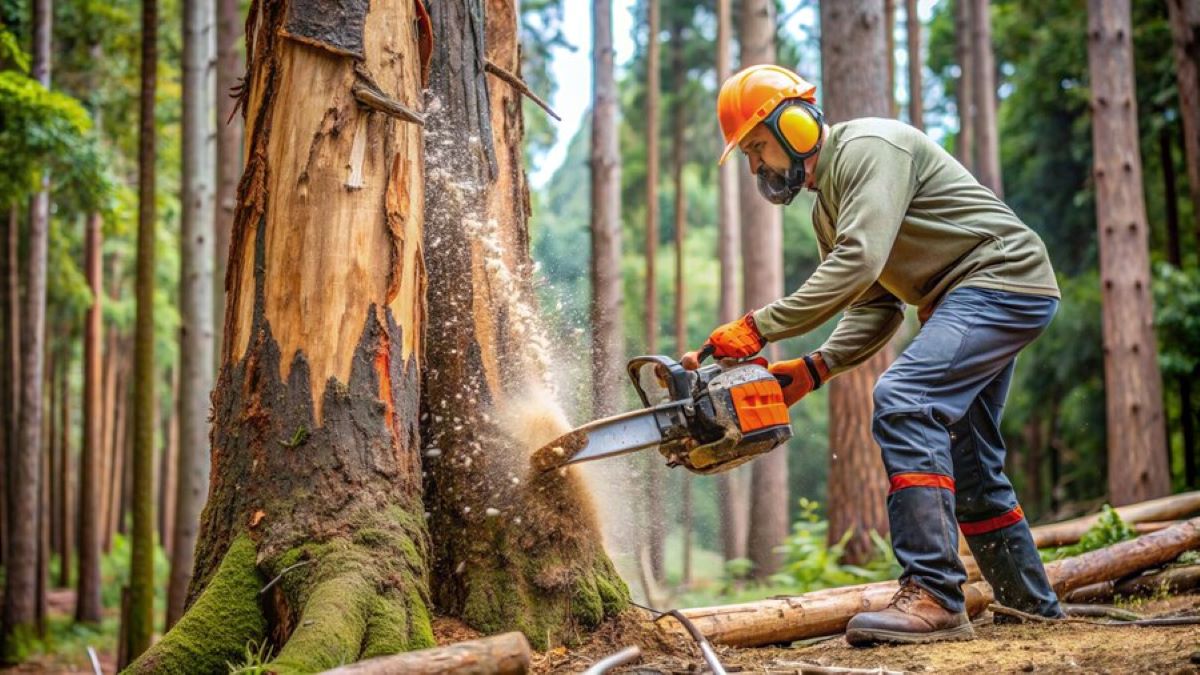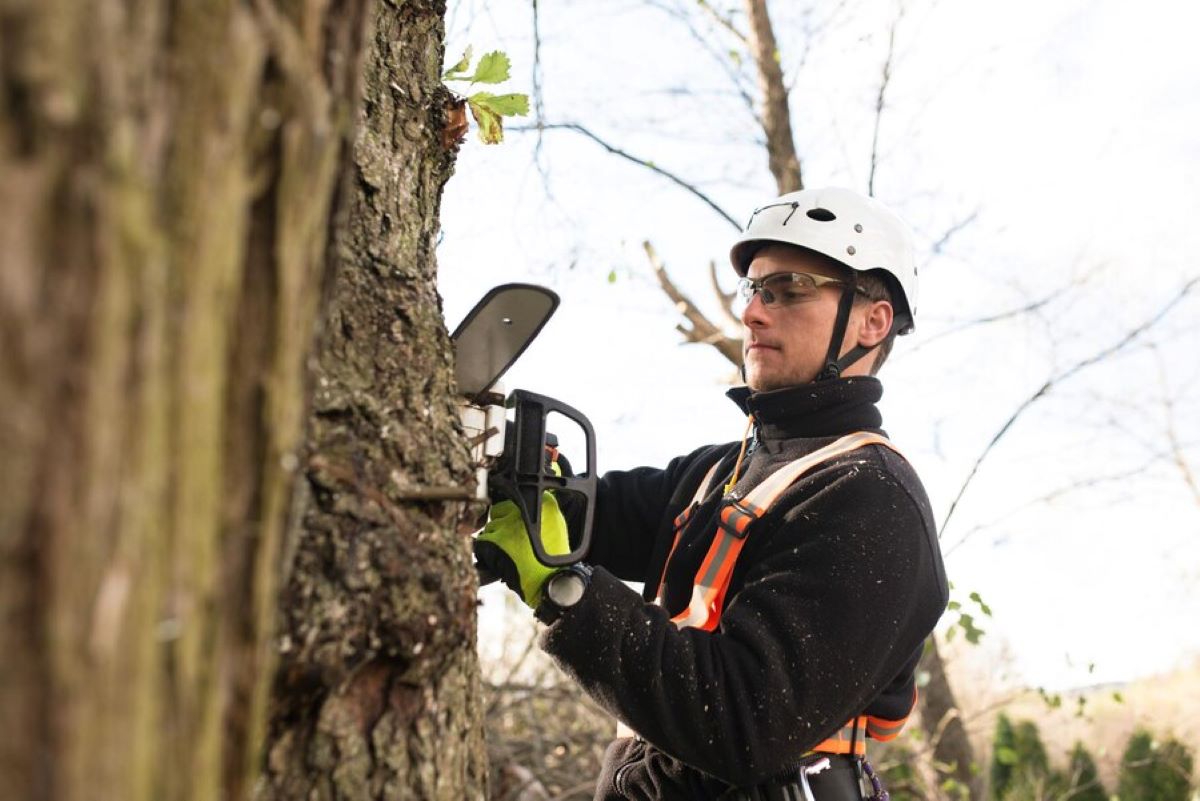
In simple terms, tree lopping is a size reduction and structural management job. It is more intensive than routine pruning and is usually done to preserve a tree while keeping it safe and compatible with the property. Tree removal, by contrast, is the complete removal from top to roots, typically used when a tree is dead, dangerous, severely infected, uprooted, or irreconcilably conflicts with construction.
The most common reasons Sydney homeowners book tree lopping include:
- Canopies outgrowing the available space
- Branches over roofs, gutters, solar panels, driveways, and neighbour’s gardens
- Conflicts with overhead services and power lines
- Excessive shading and blocked light
- Storm-exposed sites where wind load becomes a problem
- Weak unions, heavy limbs, and poor structure that raise failure risk
One more reality matters: many Sydney councils require permits or approvals for pruning, lopping, or removal on protected trees. Before you book a tree lopping service, check your local council rules or ask a qualified arborist to guide you.
Hiring professional Sydney tree services is not just about convenience. It improves safety, protects tree health, helps maintain property value, saves time, supports environmental responsibility, and reduces the risk of fines or disputes.
Sydney conditions that make lopping more common
Sydney’s mix of coastal winds, intense summer storms, heavy rain events, and shifting soil moisture can push vigorous growth and expose structural weaknesses. After wet periods, many species surge, then carry extra canopy weight into the next wind event.
Urban constraints amplify the issue. Smaller lots, close neighbours, tight side access, and proximity to buildings, fences, and overhead services often make canopy reduction the practical option. “Right tree, right place” is ideal, but with established plantings, careful management is often the only realistic solution.
Tree lopping vs pruning vs removal (so readers book the right service)
Pruning is selective cutting to improve health, structure, clearance, and longevity. Lopping is a more substantial reduction to manage size and clearances while aiming to preserve the tree. Removal is recommended when the tree is dead, hazardous, structurally compromised, infected beyond recovery, uprooted, or conflicts with approved works.
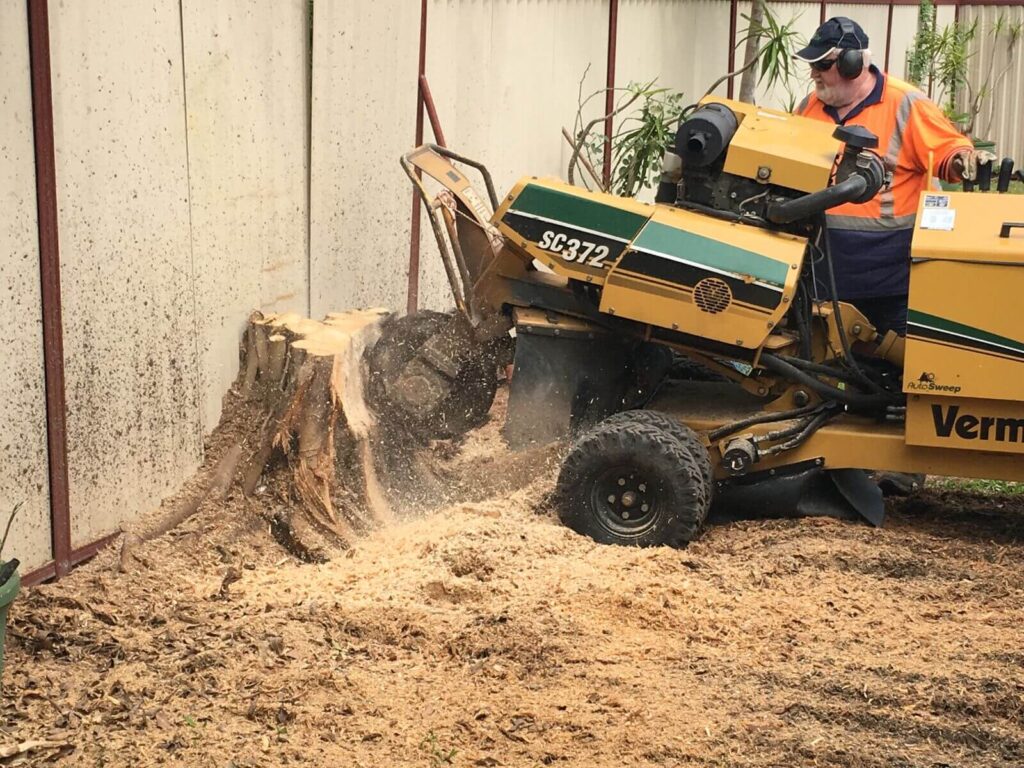
A good tree lopper in Sydney should recommend the least invasive option first, then justify removal only when risk or health demands it. Many tree removal companies also offer stump grinding, green waste removal, post-work inspections, and practical care tips so the site is safe and manageable afterwards.
Why Do Some Trees in Sydney Require Tree Lopping More Than Others?
They need it more often because they grow faster, spread wider, or develop heavier limbs in places that don’t allow for it. In Sydney suburbs, location and exposure often matter more than the tree’s age or height.
Trees commonly require repeated lopping when they are planted too close to homes, boundary fences, driveways, pools, or powerlines. Others become higher risk in storm corridors or on sites with saturated soils, where wind load and root movement can cause failures.
The key idea is compatibility. When a species naturally wants to be large, broad, and heavy, but the block is compact, lopping becomes a maintenance tool rather than a one-off fix.
Which Fast-Growing Trees Often Need Tree Lopping in Sydney?
Fast growers plus common suburban planting choices usually equal frequent canopy control. The species below are not the only ones, but they are among the most commonly managed in Sydney because they can outgrow tight spaces quickly and create conflicts over roofs, fences, and high-use areas.
Eucalypts (gum trees) near homes, driveways, and fences
Eucalypts are often lopped because they grow quickly, form large limbs, and develop broad canopies that can extend over roofs and neighbouring properties. In wind, that canopy can act like a sail, increasing movement and stress at branch unions.
Typical triggers include gaining clearance from structures, reducing end-weight on long limbs, and managing canopy spread near boundary lines. Over-lopping can stress eucalypts and encourage problematic regrowth, so reduction should preserve sound structure and avoid shocking the tree.
Lilly pilly hedges/trees that become oversized screens
Lilly pilly is popular for screening, but vigorous regrowth means it can become oversized surprisingly fast. Dense foliage can block light, encroach on paths, press into fences, and create ongoing neighbour disputes if it crosses boundaries.
Lopping here is usually about controlled height and width reduction while keeping an even, healthy screen. Done well, thinning for airflow can also reduce pest and fungal pressure, which is common in overly dense canopies.
Fig trees (especially when planted too close to buildings)
Fig trees can be high maintenance because they produce broad canopies and strong growth that quickly conflicts with hardscapes and roofs. Leaf drop and fruit can also add mess and extra gutter load in the wrong location.
Lopping typically focuses on canopy containment and clearance from structures and high-use areas. Root management is a separate issue and may require additional advice. Removal may be considered if structural risk rises or the ongoing conflict cannot be managed responsibly.
Pittosporum and other quick-growing privacy trees
Pittosporum and similar privacy trees often need lopping because they expand quickly, can become top-heavy, and may start leaning when confined between fences and buildings. In small gardens, they can also crowd other plants and reduce usable space.
The main objective is to rebalance the canopy, maintain safe clearance, and reduce weight over driveways, play areas, and paths. Ongoing light maintenance usually produces a safer, healthier result than infrequent heavy cuts.
How Do You Know if a Tree Needs Tree Lopping?
You usually see it first as a space or clearance problem, then as a safety concern. A good homeowner checklist combines visible conflicts, risk signs, and growth patterns over time.
If branches are over roofs, play areas, parking zones, or public paths, don’t DIY. Book professional Sydney tree services, because safe rigging, drop zones, and proper cuts matter as much as the reduction itself. Early assessment also helps decide whether lopping is appropriate or removal is the safer option.
Clearance and conflict signs (the most obvious reasons)
Look for branches touching or overhanging roofs, gutters, solar panels, sheds, fences, or a neighbour’s yard. Also watch for limbs that block driveways, interfere with footpaths, reduce sightlines when reversing, or rub repeatedly against structures or other branches.
If a tree is approaching overhead service lines, treat it as a professional-only job. Powerline clearance has strict rules, and the right approach is to engage qualified arborists and follow the guidance of relevant authorities.
Structural and health red flags that need professional judgement
Cracks at branch unions, long heavy limbs with lots of end-weight, and deadwood in the upper canopy can indicate elevated failure risk. A new or worsening lean, heaving soil at the base, or signs of root disturbance after heavy rain can be particularly serious in Sydney’s storm cycles.
Dieback, drying limbs, and infection indicators may shift the decision from lopping to removal. It helps to photograph changes over time so tree loppers in Sydney can compare what is worsening and how quickly.
When lopping is the wrong solution
If a tree is dead or dying, severely infected, uprooted, or structurally compromised, lopping can leave you with a bigger hazard. Removal is often the responsible option when the underlying issue is instability or irreversible decline.
Repeated heavy lopping can also create weak regrowth that fails later, especially in exposed sites. Reputable providers will explain whether selective pruning, a staged reduction plan, or removal plus replanting is the best long-term outcome.
Can Tree Lopping Help Prevent Storm Damage in Sydney?
It can reduce risk, but it cannot storm-proof a tree. In Sydney, heavy rain, gusty winds, and saturated soils can turn small defects into major failures, so reducing canopy load and removing deadwood often makes a real difference.
Risk reduction works by lowering wind resistance, removing brittle material, and rebalancing weight distribution. The best results come from ongoing care rather than a last-minute heavy cut before a forecast event.
What storm-prep lopping typically targets
Most storm-prep jobs prioritise dead or detached limbs, including hazardous “widowmakers”. They also focus on over-extended branches above roofs, cars, pergolas, and high-traffic zones such as driveways and paths.
Canopy balance matters too. If one side is heavier, wind can increase torsion and stress at unions. After the work, green waste removal and a quick re-check of the site help ensure the area is safe and usable.
Why timing and technique matter
Heavy cuts right before storm season can stress some species and trigger weak regrowth. Planning ahead with an arborist-led schedule is usually safer for both the tree and the property.
Poor lopping techniques can create larger future hazards, not fewer. Professional Sydney tree lopping should include a risk management approach: identifying targets, setting drop zones, planning rigging, and controlling access so people and property stay protected.
Should an Arborist Inspect a Tree Before Tree Lopping?
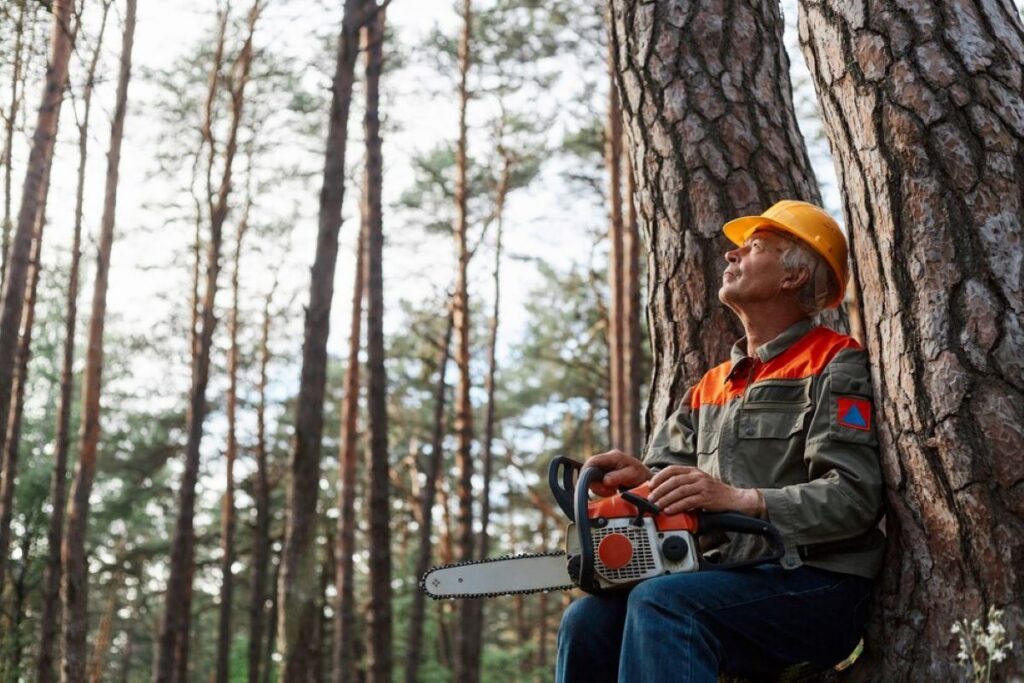
Yes, because inspection ensures the right scope, improves safety, and helps you comply with Sydney rules. A proper assessment also prevents wasted money on the wrong solution, such as reducing a tree that actually needs removal.
An inspection typically covers tree health, structural faults, likelihood of failure, nearby targets like homes and neighbour fences, and the best method: prune, lop, or remove. It also helps identify whether council approval is required before work begins.
What a professional inspection and quote should include
A strong quote should clearly state what will be reduced or removed, why it is being done, and what outcome to expect in terms of clearance, shape, and risk reduction. It should also outline the safety plan, including access method, equipment, PPE, drop zones, and any traffic or pedestrian management.
You should also see proof of insurance, including public liability and workers’ compensation, plus other relevant coverage. Confirm what is included, such as green waste removal, stump grinding if required, and post-work inspection notes or care recommendations.
Choosing a local Sydney team (example: Hills District/North Shore needs)
Local knowledge helps because council rules vary and access challenges differ across suburbs. A team familiar with your area is often quicker at navigating approvals and planning safe work on tight blocks with close neighbours.
If you need broader capability for property or development work, look for services such as tree removal, stump grinding, vegetation clearing, mulching, site preparation and grading, environmental assessments, and regulatory compliance. For example, Trees Down Under supports Hills District and North Shore clients and prioritises safety with strong insurance coverage and a clear risk management plan.
More to Read : How Do You Plan a Safe Tree Removal on Your Property?